
The Ultimate Guide to One to Marketing: Strategies and Benefits
One-to-one marketing creates personalized experiences tailored to each customer. This strategy helps businesses engage better with their customers and boost sales. In this guide, you’ll learn how to implement One-to-One Marketing and why it’s essential for your business growth in the realm of one to marketing.
Key Takeaways
- One-to-one marketing focuses on personalized communications tailored to individual customer behaviors and preferences, enhancing engagement and trust.
- Key components of a successful one-to-one marketing strategy include audience segmentation, personalization, and customization, which together drive customer loyalty and satisfaction.
- While one-to-one marketing offers significant benefits like increased conversion rates and improved customer lifetime value, it also poses challenges related to data management, technology requirements, and privacy concerns.
Understanding One-to-One Marketing

One-to-one marketing is a personalized approach that focuses on creating unique communications tailored to individual customers. Unlike traditional marketing, which targets broad audiences, one-to-one marketing is more targeted and personalized, allowing businesses to engage customers more effectively. This shift is driven by skyrocketing customer expectations that demand more personalized experiences.
One-to-one marketing primarily aims to create personalized relationships. This approach concentrates on engaging with individual customers. Understanding individual customer behaviors and preferences allows businesses to deliver tailored messages that resonate with their audience. Trust plays a crucial role in this approach, as it leads to better overall relationships between companies and their customers. One-to-one marketing, called relationship marketing, ultimately builds stronger customer relationships and boosts sales.
The Goal of One-to-One Marketing
The primary objectives of one-to-one marketing include boosting sales, improving customer retention, and building stronger brand loyalty. Providing personalized, relevant experiences encourages customer engagement, increases revenue, and fosters loyalty. Clear goals for one-to-one marketing guide the overall marketing strategy and inform customer experiences.
Clear goals support the effectiveness of marketing strategies, ultimately contributing to higher customer satisfaction and loyalty. One-to-one marketing helps organizations build stronger customer trust and enhance their experiences. This approach ensures that marketing efforts are aligned with individual customer needs and preferences, leading to more meaningful interactions.
Importance of One-to-One Marketing for Businesses
One-to-one marketing is essential for businesses aiming to increase customer retention and foster long-term relationships. Its benefits include:
- Making customers feel understood and valued, which significantly influences customer loyalty.
- Personalized messaging and targeted efforts that lead to better results and higher ROI compared to generic campaigns.
- Reducing costs by targeting individuals precisely, leading to significant savings on marketing efforts.
Effective one-to-one marketing allows businesses to move beyond generic messaging, fostering deeper connections with customers. This is particularly important in the competitive eCommerce landscape, where personalized interactions can help brands stand out and engage customers effectively. Aligning product recommendations with customer interests increases cross-selling opportunities and drives repeat business, ultimately leading to reduced marketing costs.
Moreover, personalized marketing campaigns yield better results because they cater to the specific needs and preferences of individual customers. This approach not only enhances customer loyalty but also boosts sales and improves overall customer satisfaction. As customer expectations continue to rise, businesses that adopt one-to-one marketing strategies will be better positioned to meet these demands and thrive in the market, ultimately focusing on the individual customer’s needs.
Key Components of a One-to-One Marketing Strategy
Successful one-to-one marketing strategies rely on three fundamental elements: segmentation, personalization, and customization. Each of these components plays a crucial role in delivering personalized experiences that resonate with individual customers through relationship marketing.
Effective audience segmentation, personalized communications, and customization create relevant marketing campaigns that build customer relationships and drive engagement, supported by an audience manager.
Segmentation
Segmentation is the process of dividing customers into specific groups based on behaviors, preferences, or other characteristics. This step is crucial for enhancing marketing efforts, as it allows businesses to deliver highly relevant content to targeted customer groups. Hyper-segmentation, which involves dividing customers into narrow groups based on their specific behaviors and preferences, can further refine marketing strategies.
Group segmentation enables businesses to tailor content based on the specific values and preferences of different customer categories. Identifying the optimal customer journey for different segments allows businesses to create effective personalized content that resonates with each group. This approach ensures that marketing messages are relevant and engaging, ultimately leading to better customer satisfaction and loyalty.
Personalization
Personalization involves tailoring communications and offers based on individual customer data to enhance engagement. Understanding individual customer needs, pain points, challenges, and goals is crucial for effective personalization with a personal touch. Combining customer-selected preferences with other data enables businesses to create unique journeys that resonate with each customer.
Examples of effective personalized marketing strategies include crafting different automated emails based on specific customer categories and targeting content to unique customer experiences. Companies like Bloom and Wild and Flo Health use customer preferences to deliver dynamic and relevant messaging.
Transparency in data usage is essential to build and maintain customer trust in personalized marketing.
Customization
Customization empowers customers by allowing them to define their preferences and choices regarding products or services. This approach enables companies to adjust their offerings based on customer preferences, ensuring that products or services meet individual needs. The ultimate goal of customization is to meet customer needs and ensure repeat business.
Methods to adapt a product or service according to customer needs include adding new features, creating personalized options, and adjusting marketing messages. Customer feedback plays a crucial role in continually refining and updating offerings to address requests for new features and improvements.
Providing personalized recommendations and a personalized experience enhances user preferences and drives loyalty.
Steps to Implementing One-to-One Marketing
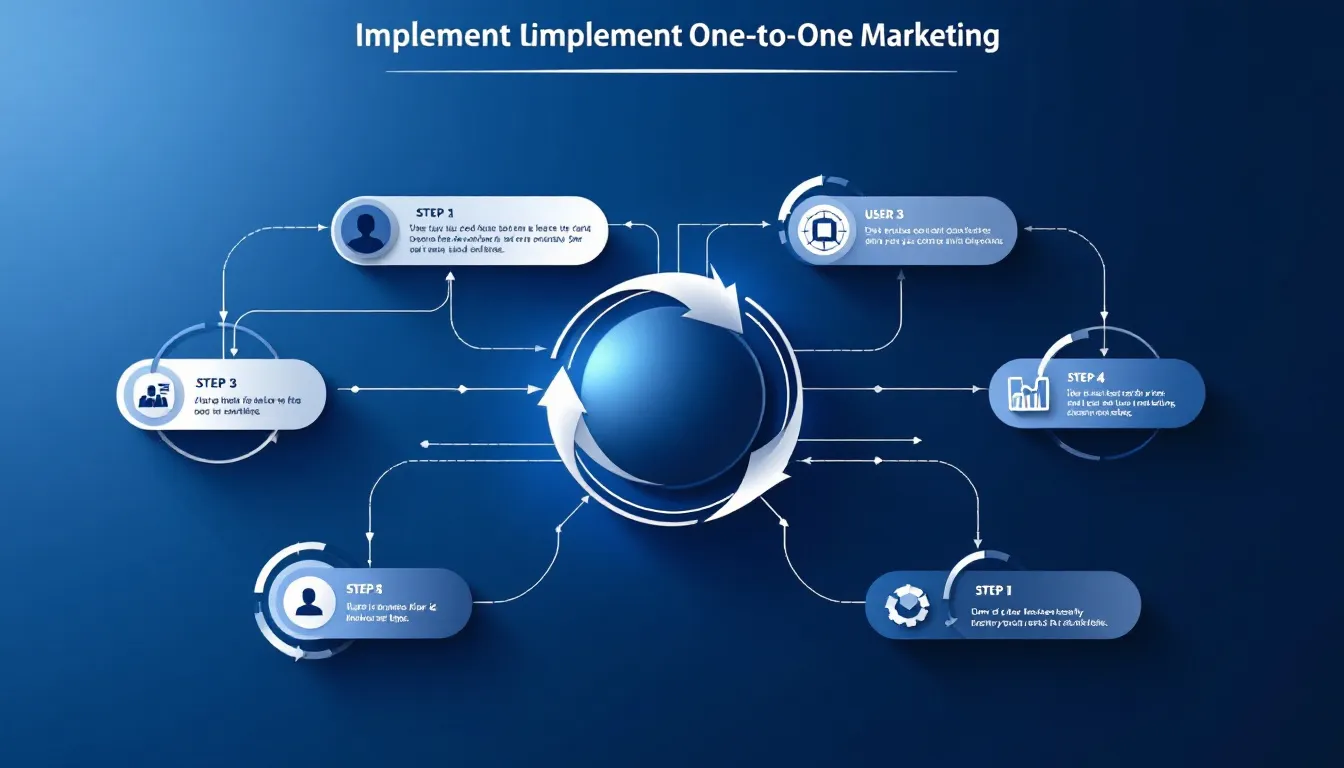
Implementing a one-to-one marketing strategy involves several key steps, including:
- Identifying goals
- Collecting customer data
- Creating detailed customer profiles
- Developing personalized content
Each step is essential in ensuring that marketing efforts are aligned with individual customer needs and preferences, leading to more effective and engaging marketing investment campaigns.
Collect Customer Data
The foundation of one-to-one marketing is collecting customer data. This practice enables tailored marketing strategies. Marketers gather insights through various methods such as:
- surveys
- interviews
- reviews
- social media Using technology-based systems like CRM, businesses can streamline the organization of collected customer information. Important types of customer data include:
- demographics
- purchase history
- website activity
- customer feedback.
Collecting, integrating, and managing robust data collection from various sources helps identify patterns and inform smoother customer journeys. Adhering to privacy regulations can be challenging, but it is crucial for maintaining customer trust and ensuring effective one-to-one marketing.
Create Detailed Customer Profiles
Creating detailed customer profiles involves analyzing customer data and insights to gain a deep understanding of individual customer challenges and aspirations. Customer relationship management systems assist in customer segmentation by creating groups and recognizing patterns based on set parameters to create customer profiles. This process is essential for effective personalization and customization of offerings.
Customers share information and set preferences, which are crucial for creating detailed customer profiles. Actively seeking and incorporating customer feedback into product development ensures offerings meet specific customer needs and preferences. This approach fosters strong customer relationships and enhances overall satisfaction, ultimately expanding the customer’s attention and customer base.
Develop Personalized Content
Developing personalized content is a crucial step in launching a one-to-one marketing strategy. The purpose of personalized content is to increase customer value by understanding demographics and tailoring products or services accordingly. Personalized content can increase conversion rates by presenting the right message at the right time.
Types of personalized content include:
- Product recommendations
- Email messages
- Website messaging
- Individualized offers
For each customer segment, it’s important to map the ideal journey to enhance personalization effectiveness.
Planning ways to customize services that meet individual customer’s needs helps create personalized experiences for customer engagement.
Examples of Successful One-to-One Marketing Campaigns
Successful one-to-one marketing campaigns provide valuable insights into how personalized strategies can enhance engagement and trust. These campaigns demonstrate the effectiveness of personalized marketing approaches in building strong customer relationships and driving sales.
Personalized Emails
Personalized emails are crucial for engaging customers by delivering relevant information at the right time. Email marketing remains one of the highest-performing marketing channels. Automating email strategies based on the customer journey helps deliver relevant information at the right time. Basic information such as birthdays, zip codes, and gender preferences can be used for personalizing emails.
Examples of successful personalized email tactics include sending abandoned cart emails to remind customers of their potential purchases and Spotify’s year-end Wrapped experience, which summarizes user listening habits.
Tracking metrics like opens, clicks, site visits, and conversions is essential for optimizing one-to-one email efforts.
Tailored Product Recommendations
Tailored product recommendations play a crucial role in increase sales and enhancing customer satisfaction. Companies that utilize personalized recommendations tend to see higher conversion rates and improved customer loyalty. By implementing tailored product recommendations, businesses can foster stronger relationships and drive repeat business.
Amazon is a prime example of a company that effectively uses customer data to suggest related products, enhancing the user experience and boosting sales. Leveraging data-driven insights enables businesses to create personalized recommendations that resonate with individual customer preferences, leading to increased engagement and satisfaction.
Loyalty Programs
Loyalty programs are an effective way to foster stronger customer relationships by offering personalized rewards based on shopping habits. These programs provide customers with:
- Exclusive offers
- Rewards
- Birthday treats
- Other perks These incentives encourage repeat business and enhance loyalty.
Sephora’s Beauty Insider loyalty program, which uses a three-tier structure to reward its customers, and Starbucks’ mobile app-based loyalty program are examples of successful loyalty programs that are all the rage, offering personalized offers and tracking purchases.
According to a study, 84% of customers said they are more likely to remain loyal to a brand with a customer loyalty program.
Benefits of One-to-One Marketing
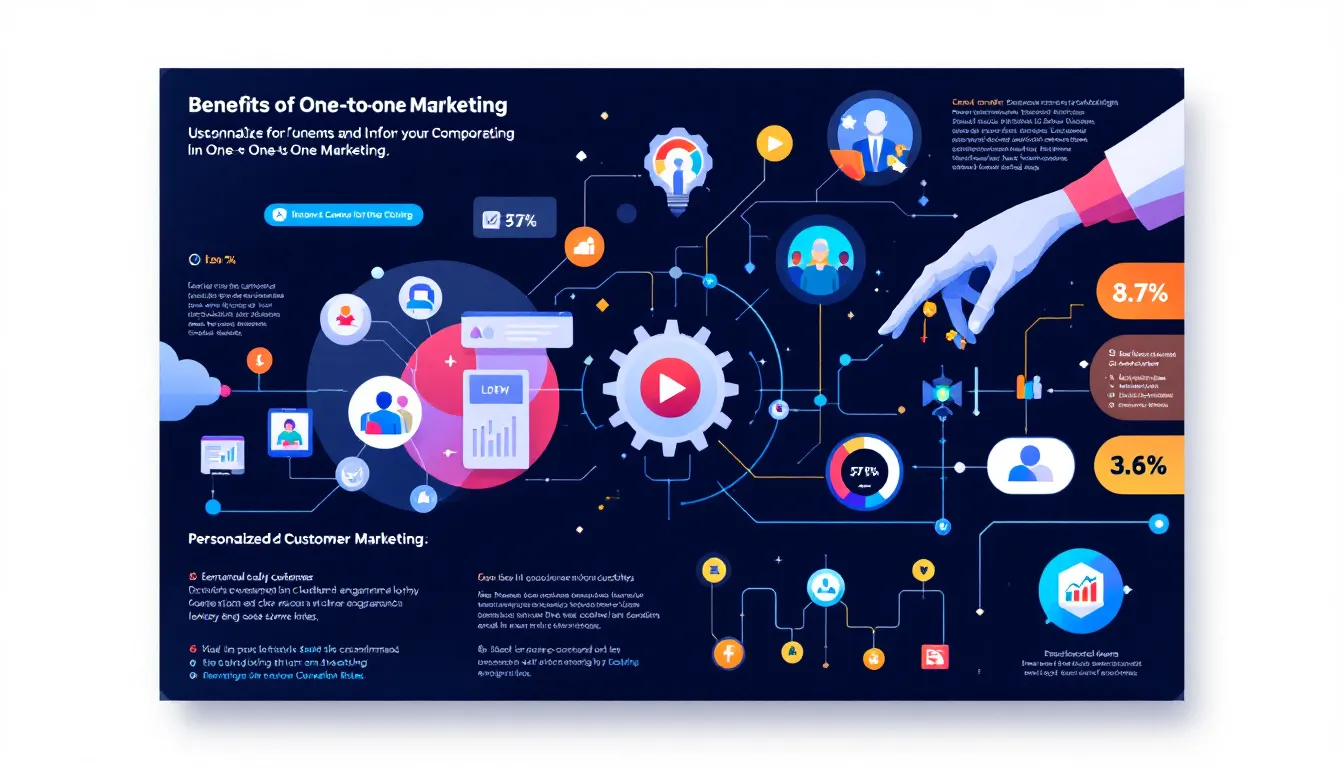
One-to-one marketing offers numerous benefits, including enhanced customer engagement, higher retention rates, and improved customer lifetime value. Personalized marketing strategies cater directly to individual preferences, leading to increased satisfaction and loyalty.
Enhanced Customer Loyalty
Personalization goes beyond basic customer data to address specific needs and provide meaningful content. This marketing approach boosts customer retention by meeting individual customer needs and preferences. Personalized experiences in marketing create a sense of being valued, encouraging customers to remain loyal.
Engagement through tailored marketing efforts can transform satisfied customers into brand advocates. Regularly engaging with customers increases their overall value to the business over time. Understanding customer preferences helps to foster repeat purchases, enhancing lifetime value.
Increased Conversion Rates
Targeted marketing messages delivered at the right moment significantly enhance customer engagement. Relevance in marketing content is a key factor in successfully increasing conversion rates. Data-informed experiences lead to more effective marketing efforts, resulting in higher conversion rates and increased sales.
Delivering personalized content that resonates with individual customer preferences creates meaningful interactions that drive engagement and boost conversion rates. This approach ensures that marketing messages are relevant and timely, leading to better overall marketing performance.
Improved Customer Lifetime Value
One-to-one marketing nurtures existing relationships by providing continuous value. Customer lifetime value (CLV) is a critical metric that estimates the total revenue a business can expect from a single customer account over time. By fostering stronger customer relationships through personalized marketing, businesses can significantly increase customer lifetime value.
Personalized interactions and tailored content can transform loyal customers into brand advocates, enhancing the potential for referrals and repeat business. This approach not only helps to boost sales but also ensures that customers remain engaged and satisfied throughout their journey with the brand, fostering strong relationships to build customer loyalty.
Challenges in One-to-One Marketing
Despite its numerous benefits, one-to-one marketing presents several challenges, including data management issues, the need for advanced technology, and privacy concerns. Successfully addressing these challenges is crucial for maintaining customer trust and ensuring effective personalized marketing campaigns.
Data Management
Implementing an effective data governance framework is critical for ensuring data quality and compliance. Data silos can significantly hinder the effectiveness of personalized marketing efforts, making it essential to integrate and manage customer data efficiently. Understanding customer data affects communication style and sales approach, necessitating a clear assessment procedure to clarify necessary changes in customer interaction.
Businesses should be prepared to adjust protocols and strategies when monitoring customer data and behavioral data. Effective data management ensures that personalized marketing efforts are based on accurate and relevant information, leading to better customer experiences and outcomes.
Technology Requirements
A solid digital technology infrastructure is essential for implementing personalization and scaling efforts in one-to-one marketing. The technology infrastructure sets the stage for effectively leveraging customer data and delivering tailored experiences. Investing in the right technology ensures that businesses can efficiently manage customer interactions and provide personalized content that resonates with individual preferences.
Privacy Concerns
Balancing personalization with customer privacy is a key challenge in one-to-one marketing. Retailers need comprehensive data privacy and governance processes to ensure compliance with data privacy regulations such as GDPR and CCPA. Maintaining customer trust is essential while navigating the complexities of personalized marketing and data privacy compliance.
Transparency about data usage and ensuring customer information protection build and maintain trust with customers. This approach not only addresses privacy concerns but also enhances the overall customer experience by demonstrating a commitment to data security and ethical marketing practices.
Summary
In conclusion, one-to-one marketing is a powerful strategy that allows businesses to build stronger customer relationships, increase sales, and enhance customer loyalty. By focusing on personalized interactions, businesses can create meaningful and engaging experiences that resonate with individual customers. Despite the challenges, the benefits of one-to-one marketing make it a worthwhile investment for any business looking to thrive in today’s competitive market.
Frequently Asked Questions
What is one-to-one marketing?
One-to-one marketing is a personalized strategy that emphasizes unique communications tailored to each individual customer, making it more targeted than traditional mass marketing. This approach fosters a stronger connection between businesses and their customers.
Why is customer data important in one-to-one marketing?
Customer data is essential in one-to-one marketing as it enables businesses to comprehend individual customer behaviors and preferences, facilitating the delivery of tailored messages and personalized experiences. This understanding ultimately enhances customer engagement and satisfaction.
How can businesses implement one-to-one marketing strategies?
To effectively implement one-to-one marketing strategies, businesses should focus on collecting customer data to create detailed profiles and develop personalized content that aligns with individual preferences. This targeted approach enhances customer engagement and satisfaction.
What are some examples of successful one-to-one marketing campaigns?
Successful one-to-one marketing campaigns include personalized emails, tailored product recommendations, and loyalty programs, as exemplified by companies like Amazon, Spotify, and Sephora. These strategies effectively enhance customer engagement and foster loyalty.
What challenges do businesses face with one-to-one marketing?
Businesses face challenges in one-to-one marketing, such as data management, the necessity for advanced technology, and privacy concerns. Effectively addressing these issues is vital for maintaining customer trust and executing successful personalized marketing initiatives.