
The Ultimate Guide to Customer Life Cycles: Stages and Strategies Explained
Customer life cycles map the journey from when a customer first learns about your brand to when they become loyal advocates. This guide will explain each stage and offer strategies to enhance customer retention and lifetime value.
Key Takeaways
- The customer lifecycle consists of five key stages: Awareness, Consideration, Purchase, Retention, and Advocacy, each requiring tailored strategies to enhance customer experience.
- Personalized communication and data analytics are essential for improving customer retention and satisfaction throughout the lifecycle.
- Implementing a CRM system streamlines customer interactions, enabling businesses to manage relationships effectively and enhance overall customer engagement.
Understanding Customer Life Cycles
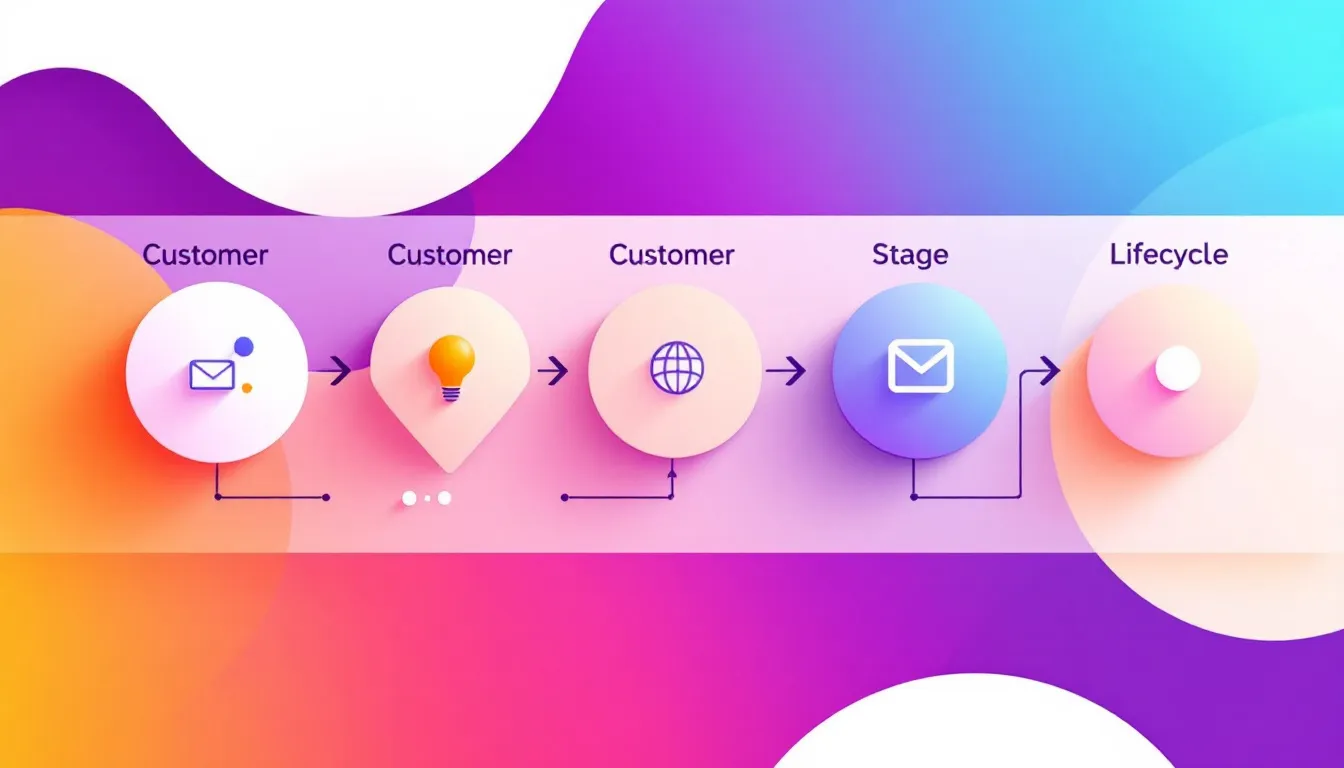
The customer lifecycle refers to the progression of steps a customer goes through when considering, purchasing, and remaining loyal to a product or service. It’s a comprehensive journey that involves much more than just making a sale. The customer life cycle is a five-stage process that includes:
- Awareness
- Consideration
- Purchase
- Retention
- Advocacy
This framework reminds marketers to give equal importance to each stage of the lifecycle, ensuring that no aspect of the customer relationship is neglected.
Creating a customer lifecycle map is a best practice for tracking customer stages in their buying journey. This map helps businesses understand customer relationships over time and manage them effectively to increase customer lifetime value. Effective lifecycle management involves gathering insights and tracking success metrics at each lifecycle stage, which can significantly boost customer loyalty and retention.
Managing good relationships throughout the entire lifecycle is essential for increasing the lifetime value of customers. Examining customer numbers at each lifecycle stage helps businesses understand behavior and identify trends. This comprehensive approach ensures that customers are guided smoothly from awareness to advocacy, optimizing their experience at every touchpoint.
Key Stages of the Customer Lifecycle

The customer lifecycle consists of six key stages: customer lifecycle stage, Awareness, Engagement, Evaluation, Purchase, Product Experience, and Bonding/Advocacy.
Each stage plays a crucial role in the overall customer journey, and understanding these next stage helps businesses create targeted strategies to engage and retain customers.
From the moment a potential customer first learns about your brand to becoming a loyal advocate, every interaction matters. Focusing on each stage helps businesses meet and exceed customer expectations, fostering long-term loyalty and satisfaction.
Awareness Stage
The awareness stage is the first step in the customer lifecycle, where potential customers first learn about your brand. This can happen through various channels such as:
- Articles
- Social media
- Ads
- Recommendations
The primary focus at this stage is to get visibility and attract potential customers by creating educational content that educates and builds brand awareness.
Creating engaging and useful content establishes trust with potential customers during the awareness stage. Identifying a target audience helps in crafting relevant content and prevents the pitfalls of marketing to everyone. Blog posts, infographics, and marketing tools can be particularly effective in gaining customer trust and capturing their interest.
Consideration Stage
In the consideration stage, customers assess their options by reading reviews, comparing products, and determining which one best fits their needs. Providing comprehensive product information can significantly enhance customer confidence during this stage.
Integrating data from various departments ensures a clear understanding of customer needs and helps tailor the information to enhance their confidence. This stage is critical as customers evaluate their options and decide what fits best for their needs.
Purchase Stage
The purchase stage marks the transition from a prospect to a customer, emphasizing the importance of a smooth buying experience. This is when the customer agrees to pay for the product or service, making it crucial to provide accurate and easy-to-understand product information related to the purchase decision and the conversion stage of the customer in sales during the acquisition stage. Once the product is purchased, the experience can significantly influence future interactions.
Simplifying the purchase process can involve building an online ordering system with features like:
- Easy navigation
- Live chat
- Lead capture forms
- Click-to-call buttons
These features assist in converting customers by making the buying process as seamless as possible.
Understanding the reasons why some prospects do not convert to a purchase can help remove barriers and improve the customer journey. Ensuring customer satisfaction throughout the entire purchase process is essential to encourage repeat purchases and build long-term relationships.
Retention Stage
Retention plays a crucial role in the customer lifecycle. It is a key retention phase that significantly impacts overall success. Effective retention strategies include personalized communication and offering exclusive incentives to keep customers engaged. Building strong connections with customers during their journey can significantly influence retention and engagement.
Businesses should offer exclusive discounts, early access to new products, and birthday gifts to inspire customer loyalty. Asking customers about their experience and conducting surveys are essential to understand customer satisfaction during the retention stage.
Advocacy Stage
The advocacy stage is where satisfied customers become brand advocates, promoting the brand through word-of-mouth and influencing potential new customers. These advocates can significantly increase brand visibility and trust through their recommendations.
Building brand loyalty requires consistent support and engagement throughout the customer lifecycle. Ongoing support and positive engagement lead to deeper customer relationships, which in turn promote brand loyalty.
Strategies for Effective Customer Lifecycle Management
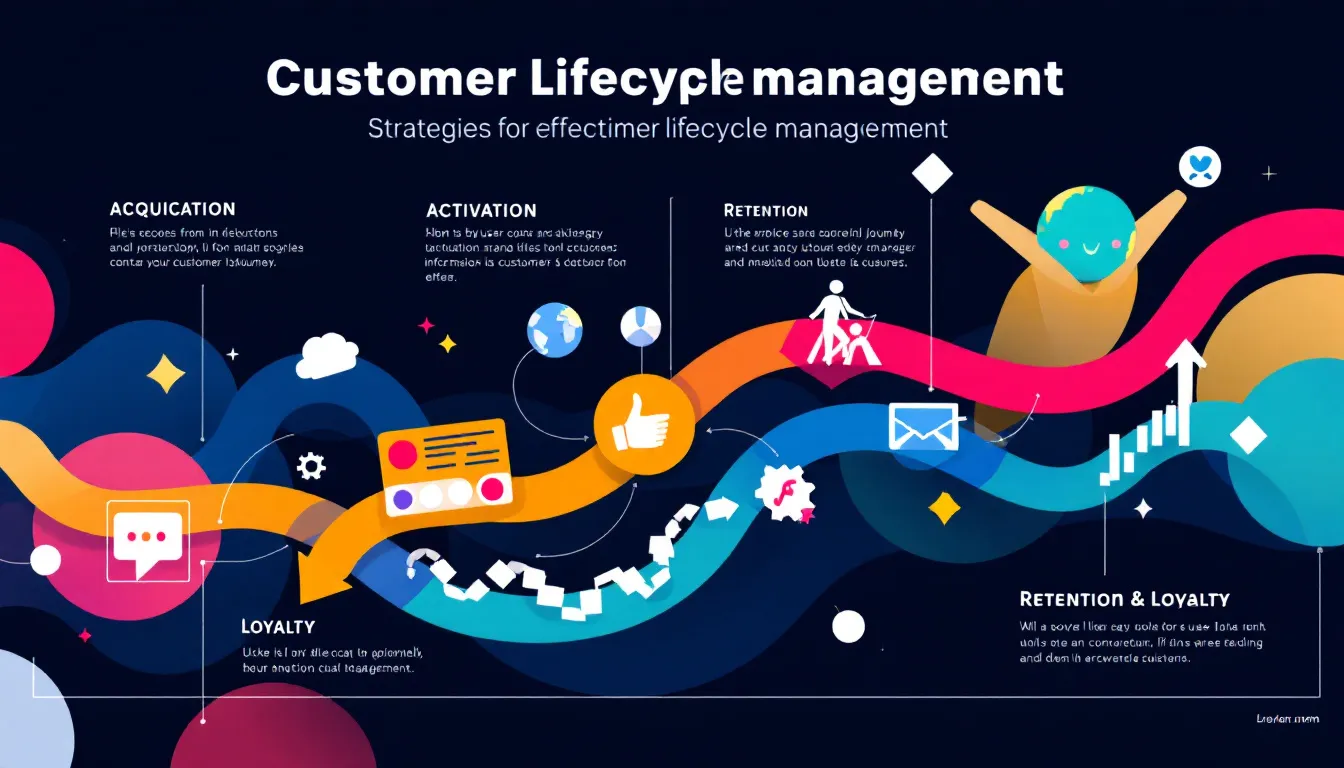
Understanding the customer lifecycle helps identify which stages need improvement to attract and retain customers more effectively. Analyzing how customers transition between lifecycle stages is essential for optimizing marketing efforts.
Businesses can manage customer lifecycles effectively by analyzing performance and initiating lifecycle marketing campaigns. Listening to customers at every turn and utilizing key performance indicators (KPIs) are essential in assessing the effectiveness of customer lifecycle management strategies.
Personalize Customer Interactions
Retaining customers is more impactful than acquiring new customers, emphasizing the need for personalized communication. Personalized communication increases the likelihood of retention and advocacy among current customers and existing customers.
Enhancing customer retention involves:
- Collecting feedback and using data analytics to tailor interactions to customer needs.
- Offering exclusive benefits.
- Encouraging surveys and referrals to further promote customer loyalty and improve customer retention.
Utilize Data Analytics
Metrics and methods used to measure the effectiveness of marketing campaigns and gain customer insights include assigning metrics such as:
- Website visits and click-through rates in emails to measure campaign effectiveness.
- Surveys and feedback forms to gain insight into customer preferences.
- Data analytics to track customer behavior, preferences, and satisfaction levels to inform strategic decisions.
Online tools can be utilized to collect customer feedback effectively.
Implement a CRM System
Using a CRM system improves processes, automates tasks, and enhances customer interactions. Customer lifecycle software streamlines management processes by automating tasks and providing a centralized database to manage customer data efficiently.
A CRM system allows businesses to automate marketing and personalization for post-purchase engagement, improving engagement and maintaining strong customer relationships. CRM systems help track customer interactions and metrics at each lifecycle stage, simplifying management and ensuring consistency.
Enhancing Customer Experience at Each Stage
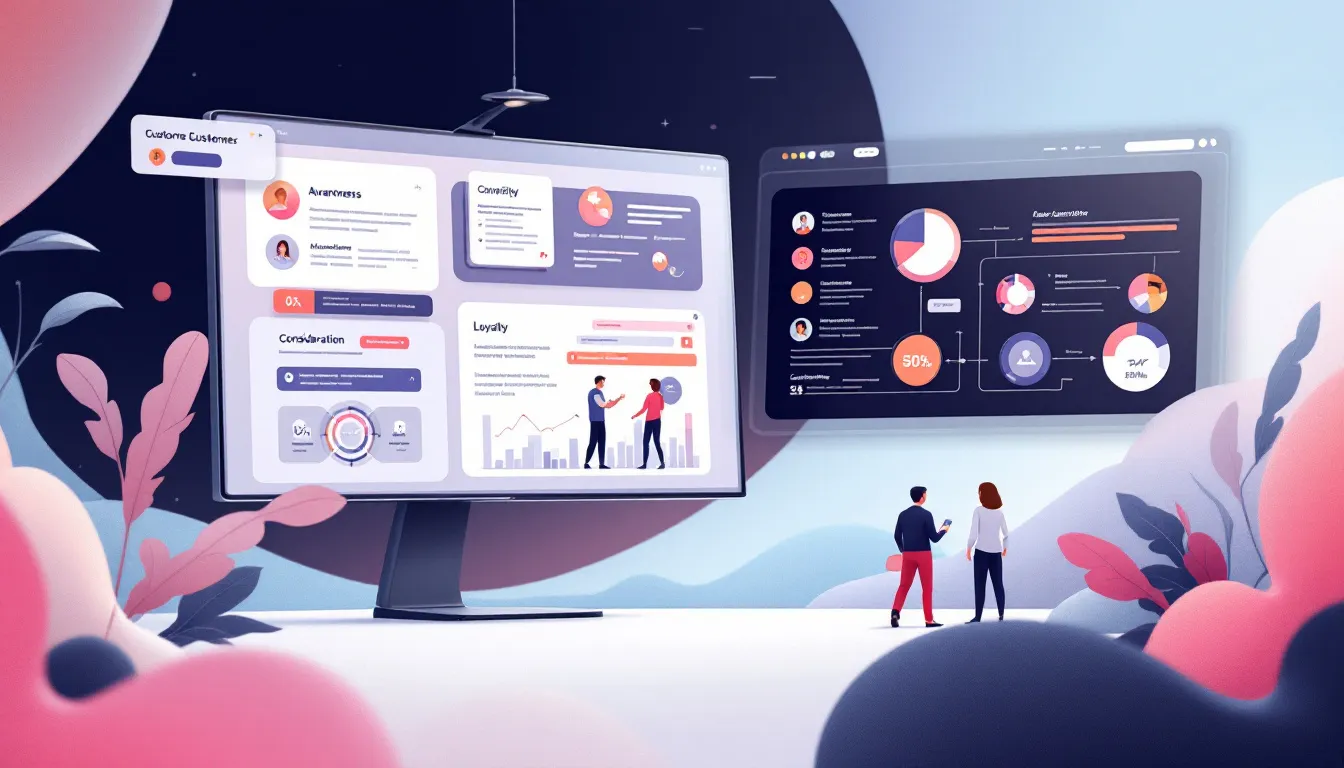
Recognizing the customer lifecycle is crucial for enhancing overall customer experience and improving retention strategies. Data analytics helps businesses anticipate customer needs during each stage of their journey. A CRM system stores valuable customer data that can enhance future marketing efforts, ensuring a great experience before, during, and after purchase.
Focusing on customer experience at each loyalty stage fosters loyalty and satisfaction, as customers expect a seamless interaction.
Create Engaging Content
Relevant and interesting content that addresses common pain points is essential for keeping customers engaged. Utilizing content marketing strategies such as:
- Blog posts
- Videos
- Testimonials
- Podcasts can demonstrate the superiority of products or services.
Personalizing content to match the specific stage of the customer’s journey enhances engagement and conversion. Content that resonates with customer challenges and interests is crucial for maintaining their attention throughout the lifecycle.
Provide Excellent Customer Support
Effective customer support is crucial for addressing customer problems promptly, which directly impacts customer satisfaction and loyalty. Quick and effective customer service is essential for resolving issues and ensuring customer satisfaction at all lifecycle stages.
Companies should shift to a proactive support model based on known milestones to improve customer support. Surveys can provide insights on customer feelings about the company and gaps in the acquisition process.
Develop Self-Service Resources
Empowering customers with self-service options can reduce the burden on support teams while also enhancing customer satisfaction. Providing self-service resources helps potential customers make informed decisions and reduces the need for customer service teams.
Self-service tools like FAQs and tutorials empower customers to find solutions independently, enhancing their overall experience. 91% of customers would use a knowledge base that meets their needs.
Measuring Success in Customer Lifecycle Management
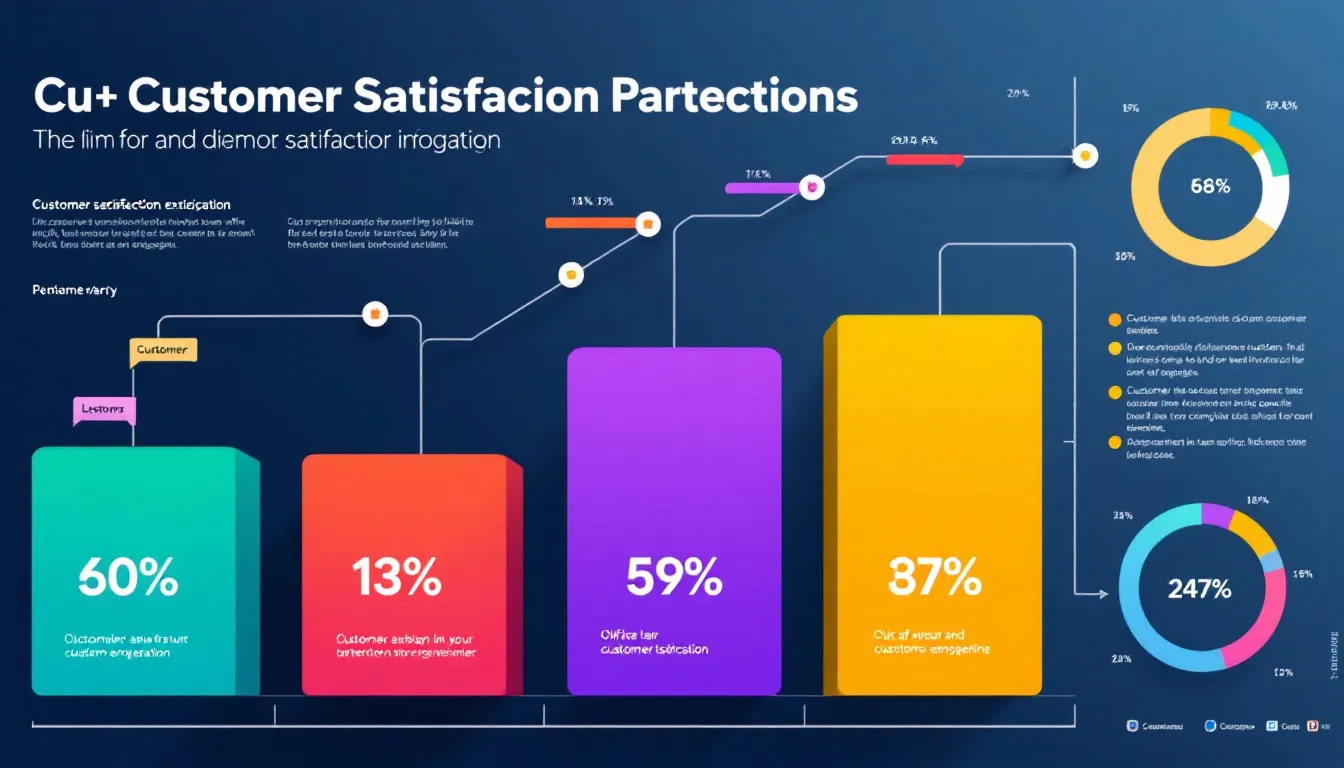
Measurement in customer lifecycle management is important to:
- Identify what works and optimize processes.
- Track customer lifecycle stages to evaluate business success over time in relation to the customer lifecycle.
- Understand customer interactions to gauge engagement with products and discover opportunities for improvement.
Collecting customer feedback can boost customer loyalty, retention, and engagement over time.
Track Customer Satisfaction
Methods to gauge customer satisfaction include customer service surveys, Customer Satisfaction Score (CSAT), and Voice of the Customer programs. It is beneficial to use a customizable CSAT survey immediately or one week after purchase to track customer satisfaction effectively.
Ongoing engagement and monitoring satisfaction are essential for ensuring customer happiness and loyalty. Understanding customer satisfaction is crucial for identifying areas for improvement in service or product delivery.
Monitor Retention Rates
Tracking retention rates helps businesses evaluate their ability to maintain customer loyalty over time. Monitoring customer retention rates helps companies assess their efficacy in maintaining customer loyalty over time.
Customer retention rate (CRR) is a critical metric that indicates the percentage of customers who continue to engage with a business over a set period.
Evaluate Customer Lifetime Value (CLV)
Higher customer lifetime values are indicative of better customer retention and profitability, with ideal ratios of CLV to customer acquisition cost (CAC) being 3:1. Customer Lifetime Value (CLV) is a metric that indicates the total revenue a business can expect from a single customer account throughout the entire duration of their relationship.
Understanding and calculating CLV helps businesses allocate resources more effectively, ensuring investments are directed toward high-value customer segments. A CLV to CAC ratio of 3:1 suggests that for every dollar spent on acquiring a customer, the business can expect three dollars back in revenue, which informs investment decisions.
Summary
In conclusion, understanding and managing the customer lifecycle is pivotal for building strong, enduring customer relationships. By navigating through the awareness, consideration, purchase, retention, and advocacy stages, businesses can optimize every interaction to enhance customer satisfaction and loyalty.
Implementing strategies such as personalized interactions, data analytics, and CRM systems, along with creating engaging content, providing excellent customer support, and developing self-service resources, can significantly improve the customer experience. Measuring success through tracking customer satisfaction, monitoring retention rates, and evaluating customer lifetime value ensures that businesses stay aligned with their goals and continue to thrive.
Frequently Asked Questions
What is the customer lifecycle?
Understanding the customer lifecycle is key to building lasting relationships; it encompasses the stages a customer experiences from awareness and consideration to purchase and loyalty. Embrace this journey to enhance customer engagement and retention!
Why is it important to understand the customer lifecycle?
Understanding the customer lifecycle is crucial because it enables businesses to create personalized strategies that effectively engage and retain customers, ensuring a better experience at every stage. Embrace this knowledge to elevate your customer relationships and drive success!
How can businesses enhance customer experience at each stage of the lifecycle?
To enhance customer experience at each stage of the lifecycle, focus on creating engaging content, offering exceptional customer support, and providing self-service resources. By doing this, you empower your customers and build lasting relationships!
What are the key metrics to measure success in customer lifecycle management?
To effectively measure success in customer lifecycle management, focus on key metrics like customer satisfaction scores, retention rates, and customer lifetime value (CLV). By tracking these, you’ll empower your strategy to build stronger customer relationships and drive growth.
How does a CRM system help in customer lifecycle management?
A CRM system streamlines processes and automates tasks, enabling you to enhance customer interactions and effectively track metrics at every stage of the customer lifecycle. Embrace this tool to elevate your customer relationship management!