
Customer Engagement: The Complete Guide to Building Lasting Relationships
Key Takeaways
- Customer engagement is a strategic approach that encompasses all interactions between a business and its customers across the entire lifecycle, driving loyalty and revenue growth
- Modern engagement strategies leverage AI-powered platforms, omnichannel communication, and real-time personalization to create meaningful customer experiences
- Effective customer engagement can increase customer lifetime value by up to 30% and reduce acquisition costs by 25% according to recent industry studies
- Success requires combining emotional connection, data-driven insights, and seamless multichannel experiences to meet evolving customer expectations
- The future of customer engagement involves predictive analytics, voice technology, and hyper-personalization powered by machine learning algorithms
In an era where customers have unlimited choices and switching costs continue to diminish, businesses can no longer rely solely on product quality or competitive pricing to retain clients. The companies that thrive are those that master the art and science of customer engagement—creating meaningful, ongoing relationships that drive revenue growth and foster unshakeable brand loyalty.
Customer engagement has evolved from simple transactional interactions to sophisticated, data-driven conversations that span multiple channels and touchpoints. Today’s most successful organizations understand that engaged customers don’t just buy more—they become powerful advocates who drive organic growth through referrals and positive word-of-mouth.
This comprehensive guide will equip you with the latest trends, proven strategies, and cutting-edge technology solutions needed to build a world-class customer engagement platform. Whether you’re looking to enhance customer satisfaction, increase lifetime value, or create deeper customer relationships, you’ll discover the insights and tools necessary to deliver personalized experiences that matter.

What is Customer Engagement and Why it Matters
Customer engagement represents the ongoing interaction between a company and customer across all touchpoints throughout the entire customer lifecycle. Unlike traditional metrics that focus on single transactions, engagement measures the depth of relationship, emotional connection, and mutual value exchange between businesses and their customers.
At its core, customer engagement encompasses three critical dimensions: cognitive investment (how much mental energy customers dedicate to your brand), emotional involvement (the feelings and passion associated with your brand), and behavioral participation (the actions customers take to interact with your business). This multifaceted approach distinguishes engagement from simple customer satisfaction or basic loyalty metrics.
The importance of customer engagement becomes clear when examining its impact on business outcomes. According to Gallup research, fully engaged customers represent a 23% premium in share of wallet, profitability, revenue, and relationship growth compared to average customers. Harvard Business Review further reveals that emotionally connected customers are over 52% more valuable in terms of annual revenue than those who are merely satisfied.
Modern customer expectations have fundamentally shifted. Today’s customers expect businesses to understand their preferences, anticipate their needs, and deliver relevant experiences across every channel. Companies that fail to meet these expectations risk losing customers to competitors who can provide more engaging, personalized interactions.
The connection between engagement and customer lifetime value is particularly compelling. Engaged customers typically exhibit higher retention rates, make more frequent purchases, spend more per transaction, and require lower service costs. They also serve as brand ambassadors, generating valuable referrals and user-generated content that drives organic growth.
In today’s competitive market, customer engagement serves as the ultimate differentiator. While products and services can be replicated, the quality of customer relationships and the depth of engagement create sustainable competitive advantages that are difficult for competitors to match.
The Evolution of Customer Engagement Strategies
Customer engagement has undergone a dramatic transformation over the past three decades. Understanding this evolution helps businesses appreciate current best practices and anticipate future trends.
Traditional Approach: One-Way Communication
Before the digital revolution, customer engagement was largely limited to one-way communication channels. Companies relied on mass advertising, direct mail campaigns, and reactive customer service to interact with their audiences. Feedback was sparse, delayed, and often filtered through intermediaries, making it difficult for businesses to understand true customer sentiment or adjust strategies in real-time.
Customer data resided in isolated systems, preventing companies from developing comprehensive views of individual customer preferences and behaviors. Personalization was limited to basic demographic segmentation, and most interactions were transaction-focused rather than relationship-oriented.
Digital Transformation Era
The emergence of the internet, email marketing, and early social media platforms fundamentally changed how businesses could engage with customers. Companies gained the ability to track customer behavior online, send targeted email campaigns, and receive immediate feedback through digital channels.
This period saw the rise of customer relationship management systems that enabled businesses to store and analyze customer data more effectively. However, many organizations still operated in silos, with marketing, sales, and customer service teams using separate tools and databases.
Current State: AI-Driven Personalization
Today’s customer engagement landscape is characterized by sophisticated technology platforms that enable real-time personalization, predictive analytics, and seamless omnichannel experiences. Modern businesses leverage artificial intelligence to analyze vast amounts of customer data, predict future behaviors, and deliver highly relevant content and offers at precisely the right time.
Leading companies like Netflix use viewing data and machine learning algorithms to provide personalized content recommendations that keep subscribers engaged. Amazon’s recommendation engine drives significant revenue by suggesting products based on browsing history, purchase patterns, and similar customer behaviors. Starbucks’ My Starbucks Rewards program combines mobile ordering, personalized offers, and location-based marketing to create a seamless customer experience that has generated over $2.6 billion in stored value.
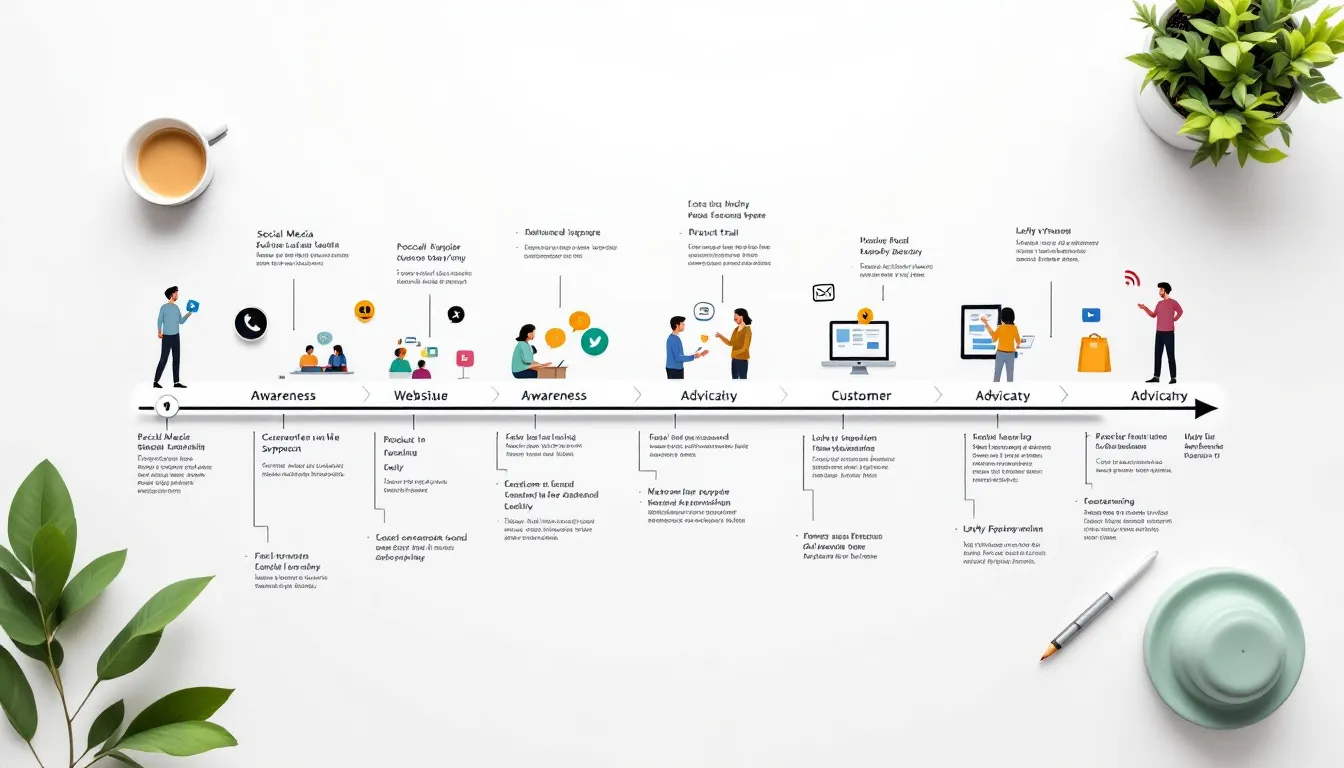
The timeline from 2010 to 2024 shows accelerating innovation in customer engagement technology. Key milestones include the rise of social media marketing (2010-2012), mobile-first strategies (2013-2015), artificial intelligence integration (2016-2018), voice technology adoption (2019-2021), and the current focus on privacy-first, consent-driven personalization (2022-2024).

Building Your Customer Engagement Framework
Creating an effective customer engagement framework requires a systematic approach that aligns with your business objectives and customer needs. This foundation will guide all subsequent engagement initiatives and technology investments.
Customer Journey Mapping
The first step in building your framework involves comprehensive customer journey mapping. This process identifies every touchpoint where customers interact with your brand, from initial awareness through post-purchase advocacy. Effective journey mapping reveals pain points, moments of delight, and opportunities for enhanced engagement.
Start by gathering data from multiple sources: web analytics, customer surveys, support tickets, sales interactions, and social media mentions. Map these interactions chronologically to understand the complete customer experience. Pay special attention to emotional moments—both positive and negative—as these significantly impact engagement levels.
Modern journey mapping should account for non-linear customer paths. Today’s customers often research products across multiple devices, compare options through various channels, and make purchases through different touchpoints. Your mapping should reflect this complexity while identifying the most influential moments in the customer’s decision-making process.
Segmentation Strategies
Effective customer engagement requires moving beyond basic demographic segmentation to more sophisticated behavioral and psychographic groupings. Advanced segmentation considers factors such as engagement history, purchase patterns, channel preferences, and lifecycle stage.
Behavioral segmentation examines how customers interact with your brand: frequency of engagement, preferred communication channels, response rates to different message types, and purchasing behaviors. This data helps create segments like “highly engaged mobile users,” “email-responsive bargain hunters,” or “premium service seekers.”
Value-based segmentation focuses on customer lifetime value and revenue potential. This approach helps prioritize engagement investments by identifying which customer segments offer the greatest long-term value. High-value customers might receive personalized service and exclusive offers, while lower-value segments might engage through automated campaigns and self-service options.
Setting SMART Goals
Customer engagement initiatives must be guided by specific, measurable, achievable, relevant, and time-bound goals. Rather than vague objectives like “improve customer relationships,” establish clear metrics such as “increase customer engagement scores by 25% within six months” or “achieve 80% email open rates for premium segment customers.”
Effective engagement goals should align with broader business objectives. If your company aims to increase customer lifetime value, your engagement goals might focus on retention rates, repeat purchase frequency, and upselling success. If acquisition is the priority, engagement metrics might emphasize referral rates, social sharing, and brand advocacy behaviors.
Create a hierarchy of goals that includes both leading and lagging indicators. Leading indicators might include email open rates, social media engagement, and customer service satisfaction scores. Lagging indicators could encompass customer lifetime value, retention rates, and revenue per customer.
Creating Customer Personas
Detailed customer personas guide engagement strategies by providing clear pictures of your target audiences. Effective personas go beyond basic demographics to include motivations, pain points, preferred communication styles, and decision-making processes.
Develop personas based on actual customer data rather than assumptions. Combine quantitative data (purchase history, engagement metrics, demographic information) with qualitative insights (customer interviews, surveys, support interactions). Each persona should include goals, challenges, preferred channels, content preferences, and typical customer journey patterns.
Update personas regularly as customer behaviors evolve. The pandemic significantly changed many customer preferences and behaviors, making previously accurate personas obsolete. Regular persona reviews ensure your engagement strategies remain relevant and effective.
Essential Engagement Touchpoints
Successful customer engagement requires optimizing interactions across the entire customer lifecycle. Each touchpoint presents opportunities to strengthen relationships and drive desired behaviors.
Pre-Purchase Engagement
Before customers make their first purchase, engagement focuses on education, trust-building, and value demonstration. Content marketing plays a crucial role during this phase, providing helpful information that positions your brand as a trusted advisor rather than just another vendor.
Social media platforms offer opportunities for community building and peer influence. Customers often research products through social channels, read reviews, and seek recommendations from their networks. Active social media engagement—responding to comments, sharing user-generated content, and participating in relevant conversations—builds brand awareness and credibility.
Educational resources such as webinars, whitepapers, and how-to guides demonstrate expertise while providing value before any purchase occurs. This approach builds trust and establishes your organization as a thought leader in your industry.
Purchase Experience Optimization
The purchasing process itself significantly impacts future engagement levels. Streamlined checkout processes, clear communication about shipping and delivery, and proactive order updates all contribute to positive purchase experiences.
Payment security and transaction transparency are particularly important for building trust. Customers who feel confident about their purchase security are more likely to engage positively with future marketing efforts and make repeat purchases.
Confirmation communications should go beyond simple order acknowledgments. Use these touchpoints to set expectations, provide helpful resources, and begin building anticipation for the product or service delivery.
Post-Purchase Engagement
The period immediately following a purchase presents critical engagement opportunities. Onboarding sequences help customers get maximum value from their purchases while reducing the likelihood of returns or dissatisfaction.
Follow-up campaigns can gather feedback, encourage reviews, and suggest complementary products or services. These interactions demonstrate ongoing commitment to customer success and provide valuable data for improving products and services.
Support integration ensures customers can easily access help when needed. Proactive support—reaching out before customers experience problems—often generates more positive engagement than reactive support.
Loyalty Phase Development
Long-term customer engagement focuses on deepening relationships and encouraging advocacy. Exclusive offers, early access to new products, and special recognition programs make customers feel valued and appreciated.
Community building becomes increasingly important as customers move into the loyalty phase. Creating opportunities for customers to connect with each other—through forums, user groups, or special events—builds stronger emotional connections to your brand.
Referral programs leverage satisfied customers to drive new acquisition while providing additional value to loyal customers. Well-designed referral systems benefit both the referring customer and the new customer while reducing acquisition costs.
Technology Solutions for Modern Customer Engagement
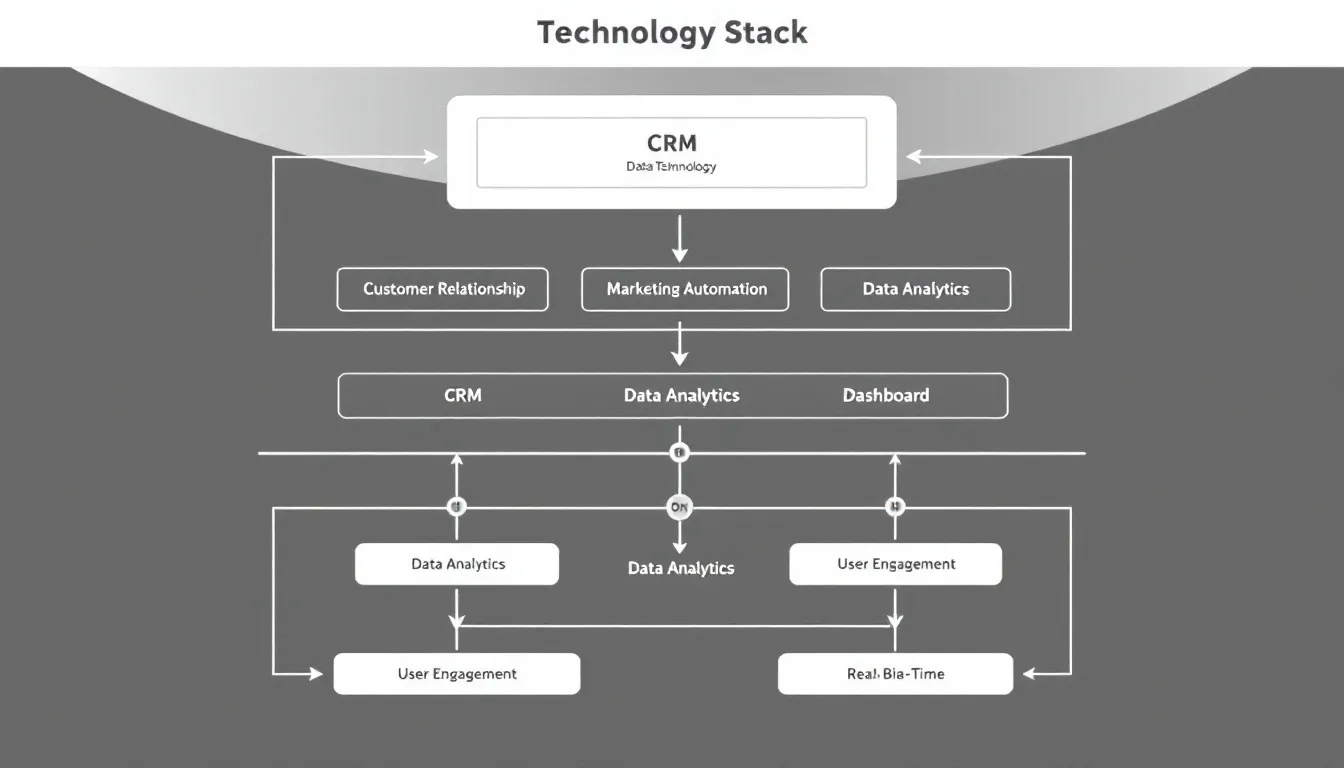
The modern customer engagement platform ecosystem offers sophisticated tools that enable businesses to create personalized, scalable, and measurable customer experiences. Understanding these technology solutions helps organizations make informed investment decisions and build effective engagement stacks.
AI-Powered Customer Engagement Platforms
Artificial intelligence has revolutionized customer engagement by enabling real-time personalization, predictive analytics, and automated decision-making at scale. AI-powered platforms analyze vast amounts of customer data to identify patterns, predict behaviors, and optimize engagement strategies automatically.
Machine learning algorithms continuously improve engagement effectiveness by learning from customer responses and adjusting messaging, timing, and channel selection accordingly. These systems can process millions of data points to determine the optimal content, offer, and delivery method for each individual customer.
Natural language processing capabilities enable AI systems to understand customer sentiment from support interactions, social media posts, and survey responses. This insight helps businesses identify potential issues before they escalate and recognize opportunities for enhanced engagement.
Marketing Automation Excellence
Marketing automation platforms serve as the backbone of modern customer engagement strategies. Leading solutions like HubSpot, Marketo, and Salesforce Marketing Cloud enable businesses to create sophisticated, multi-touch campaigns that respond to customer behaviors in real-time.
These platforms excel at nurturing leads through complex sales cycles, delivering personalized content based on customer interests and behaviors, and maintaining consistent communication across multiple channels. Automation ensures no customer falls through the cracks while enabling marketing teams to focus on strategy and creative development rather than manual execution.
Advanced automation platforms integrate with other business systems to provide comprehensive views of customer interactions. This integration enables more sophisticated triggering conditions and personalization options that consider factors beyond marketing interactions.
Customer Relationship Management Integration
Modern CRM systems have evolved beyond basic contact management to become comprehensive customer engagement hubs. These platforms store detailed interaction histories, track engagement metrics, and provide insights that inform future engagement strategies.
The most effective CRM systems integrate seamlessly with marketing automation, customer service, and sales tools to provide unified customer views. Sales teams can see marketing engagement history, customer service can access purchase information, and marketing teams can leverage sales insights to improve targeting.
Cloud-based CRM solutions offer scalability and accessibility that enable businesses to maintain consistent customer engagement regardless of team size or geographic distribution. Mobile CRM capabilities ensure customer information is always available when needed.
Conversational AI and Chatbot Implementation
Chatbots and virtual assistants provide 24/7 customer support while gathering valuable data about customer needs and preferences. Modern conversational AI systems can handle complex customer inquiries, guide customers through purchasing decisions, and escalate issues to human agents when necessary.
The key to successful chatbot implementation lies in designing conversations that feel natural and helpful rather than frustrating. Effective chatbots use customer data to personalize interactions, remember previous conversations, and provide contextually relevant responses.
Integration with other engagement platforms ensures chatbot interactions contribute to overall customer understanding. Conversation data can inform marketing campaigns, product development, and customer service improvements.
Analytics and Measurement Platforms
Sophisticated analytics platforms enable businesses to measure engagement effectiveness across multiple channels and touchpoints. These systems track customer behaviors, calculate engagement scores, and identify trends that inform strategic decision-making.
Advanced analytics platforms offer predictive capabilities that help businesses anticipate customer needs and identify at-risk customers before they churn. Machine learning algorithms analyze historical data to predict future behaviors and recommend optimal engagement strategies.
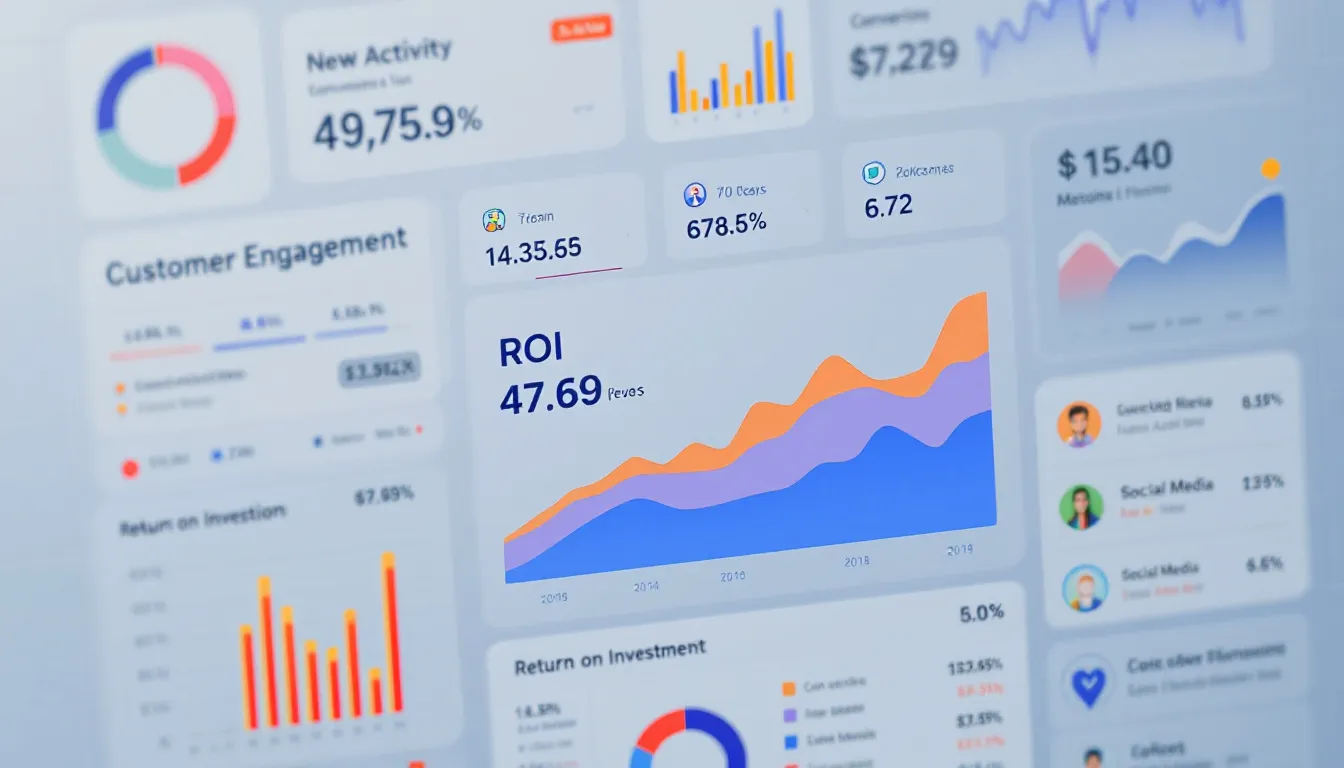
Real-time analytics dashboards provide immediate visibility into campaign performance, enabling quick adjustments and optimization. These tools help businesses understand which engagement tactics drive the best results and allocate resources accordingly.
Omnichannel Engagement Implementation
Creating consistent messaging across web, mobile apps, social media, and in-store experiences requires sophisticated orchestration technology. Omnichannel platforms ensure customers receive coordinated experiences regardless of how they choose to interact with your brand.
Real-time synchronization of customer data and interaction history enables seamless handoffs between channels. Customers can start conversations on social media, continue them via email, and complete transactions through mobile apps without repeating information or losing context.
The technical challenges of omnichannel implementation include data integration, identity resolution across devices and channels, and maintaining consistent personalization rules across different systems. Purpose-built omnichannel platforms address these challenges by providing unified data models and centralized decision engines.
Channel preference management allows customers to control how and when they receive communications. This customer-centric approach improves engagement rates while demonstrating respect for customer preferences.
Integration with legacy systems often presents significant challenges for omnichannel implementation. Modern platforms offer APIs and pre-built connectors that facilitate integration while minimizing disruption to existing operations.
Personalization and Data-Driven Engagement
The foundation of effective customer engagement rests on the ability to deliver relevant, personalized experiences that resonate with individual customers. Modern businesses leverage sophisticated data collection and analysis techniques to understand customer preferences and create tailored interactions at scale.
Customer Data Collection and Analysis
Successful personalization begins with comprehensive data collection across all customer touchpoints. Behavioral data reveals how customers interact with your website, mobile app, and digital content. This information includes page views, click patterns, time spent on different sections, and navigation paths that indicate interests and intent.
Transactional data provides insights into purchasing behaviors, product preferences, and spending patterns. This information helps businesses understand customer value, predict future purchases, and identify opportunities for cross-selling and upselling.
Preference data comes directly from customers through surveys, account settings, and explicit feedback. This zero-party data is particularly valuable because customers willingly share information in exchange for better experiences, creating a foundation of trust and transparency.
Modern data warehouses enable businesses to consolidate information from multiple sources into unified customer profiles. These centralized repositories support real-time personalization engines that can access complete customer histories and make instantaneous decisions about content, offers, and messaging.
Dynamic Content Personalization
Dynamic personalization adapts website content, email messages, and mobile app experiences based on individual customer characteristics and behaviors. This approach goes beyond simple name personalization to include product recommendations, content suggestions, and customized navigation experiences.
Product recommendation engines analyze purchase history, browsing behavior, and similar customer patterns to suggest relevant items. These systems continuously learn from customer interactions to improve recommendation accuracy and drive higher conversion rates.
Content personalization presents different articles, videos, and resources based on customer interests and engagement history. B2B companies might show industry-specific case studies, while e-commerce sites might highlight seasonal products relevant to the customer’s location and preferences.
Email personalization extends beyond subject line customization to include dynamic content blocks, personalized send times, and individually tailored offers. Advanced email platforms can automatically adjust content based on recipient behavior and preferences.
Predictive Analytics for Customer Needs
Predictive analytics leverages machine learning algorithms to anticipate customer needs and behaviors before they occur. These systems analyze historical data patterns to identify early indicators of purchase intent, churn risk, and engagement opportunities.
Churn prediction models help businesses identify customers who are likely to discontinue their relationships, enabling proactive retention efforts. These models consider factors such as engagement frequency, support interactions, usage patterns, and lifecycle stage to calculate risk scores.
Purchase prediction algorithms identify customers who are most likely to buy specific products or services, enabling targeted marketing campaigns and personalized offers. These insights help businesses optimize inventory, plan marketing budgets, and improve sales forecasting.
Lifecycle stage prediction helps businesses understand where customers are in their journey and what types of engagement are most appropriate. New customers might receive onboarding messages, while loyal customers might see exclusive offers or referral requests.
A/B Testing for Optimization
Systematic testing ensures engagement strategies continuously improve based on actual customer responses rather than assumptions. A/B testing compares different versions of messages, offers, timing, and channels to identify the most effective approaches.
Email testing might compare subject lines, content formats, call-to-action placement, and send times to optimize open rates and click-through rates. These tests provide data-driven insights that inform broader engagement strategies.
Website personalization testing examines different homepage layouts, product recommendation placements, and navigation structures to improve user experience and conversion rates. Multivariate testing can examine multiple variables simultaneously to identify optimal combinations.
Channel testing determines which communication channels work best for different customer segments and message types. Some customers might respond better to SMS messages, while others prefer email or push notifications from mobile apps.
Privacy and Compliance Considerations
Modern personalization must balance effectiveness with privacy protection and regulatory compliance. GDPR, CCPA, and other privacy regulations require businesses to obtain proper consent for data collection and provide transparency about data usage.
Consent management platforms help businesses collect and manage customer permissions for different types of data collection and marketing communications. These systems ensure compliance while enabling personalization based on customer-approved data usage.
Data minimization principles encourage businesses to collect only the information necessary for specific engagement purposes. This approach builds customer trust while reducing compliance risks and data management complexity.
Transparency about data usage and personalization algorithms helps build customer confidence in your privacy practices. Clear privacy policies and easy-to-understand preference centers demonstrate commitment to customer control and data protection.
Advanced Personalization Techniques
Machine learning algorithms enable sophisticated personalization that adapts in real-time based on customer behaviors and contextual factors. These systems can adjust recommendations, content, and offers as customers interact with your brand, creating dynamic experiences that respond to immediate interests and needs.
Real-time personalization uses behavioral triggers to deliver timely, relevant messages and experiences. Customers who abandon shopping carts might receive immediate discount offers, while those browsing specific product categories might see related content or customer reviews.
Location-based engagement leverages geofencing and proximity marketing to deliver contextually relevant messages based on customer location. Retail businesses can send store-specific offers when customers are nearby, while service companies can provide location-relevant information and scheduling options.
Voice of customer analysis uses sentiment analysis and natural language processing to understand customer feelings and opinions from support interactions, survey responses, and social media mentions. This insight informs personalization strategies and helps businesses respond to customer concerns proactively.
Dynamic pricing and offer optimization adjust product prices and promotional offers based on individual customer profiles, market conditions, and inventory levels. These systems balance revenue optimization with customer satisfaction to maximize long-term lifetime value.

Measuring Customer Engagement Success
Effective measurement forms the backbone of successful customer engagement strategies. Without proper metrics and analytics, businesses cannot determine which tactics drive results or identify opportunities for improvement. Modern measurement approaches combine traditional metrics with advanced analytics to provide comprehensive views of engagement effectiveness.
Key Performance Indicators
Customer engagement measurement begins with establishing relevant key performance indicators that align with business objectives. Engagement rate measures the percentage of customers who actively interact with your brand across different channels and touchpoints. This metric provides a broad view of overall customer interest and involvement.
Time spent interacting with your brand indicates depth of engagement beyond simple click-through rates. Customers who spend more time reading content, exploring products, or using your services typically demonstrate higher engagement levels and greater likelihood of making purchases.
Interaction frequency tracks how often customers engage with your brand over specific time periods. Regular interaction patterns often correlate with customer loyalty and higher lifetime value, making this metric valuable for predicting future customer behavior.
Session depth measures how many pages customers visit during website sessions or how many features they use in mobile apps. Deeper engagement sessions typically indicate higher interest levels and greater likelihood of conversion.
Social engagement metrics include likes, shares, comments, and mentions across social media platforms. These indicators reveal how customers perceive your brand and whether they’re willing to associate themselves publicly with your organization.
Customer Engagement Score Development
Customer Engagement Score (CES) provides a single metric that combines multiple engagement indicators into one actionable measurement. Effective CES calculations weight different activities based on their correlation with business outcomes such as retention, expansion, and advocacy.
Scoring models typically assign point values to different types of interactions: website visits, email opens, content downloads, support interactions, and purchase activities. More valuable activities receive higher point values, creating scores that reflect true engagement depth rather than just frequency.
Behavioral scoring considers both positive and negative indicators. Positive signals might include repeat purchases, referrals, and high survey ratings. Negative signals could include support complaints, returned products, or unsubscribed communications.
Time-decay functions ensure recent activities have more influence on engagement scores than older interactions. This approach reflects the reality that customer engagement levels change over time and recent behaviors are more predictive of future actions.
Segmentation-specific scoring recognizes that different customer types engage differently with your brand. B2B customers might value educational content and expert consultations, while B2C customers might focus more on product reviews and social interactions.
Revenue Attribution Models
Understanding how engagement activities contribute to revenue generation requires sophisticated attribution models that track customer journeys across multiple touchpoints. Multi-touch attribution provides more accurate pictures of engagement effectiveness than simple last-click or first-click models.
Linear attribution gives equal credit to all touchpoints in the customer journey, providing insights into how different engagement activities work together to drive conversions. This model helps businesses understand the cumulative impact of their engagement strategies.
Time-decay attribution assigns more credit to touchpoints closer to conversion events, reflecting the reality that recent interactions often have greater influence on purchase decisions. This model helps optimize engagement timing and frequency.
Position-based attribution gives more weight to first and last touchpoints while distributing remaining credit among middle interactions. This approach recognizes the importance of both customer acquisition and conversion while acknowledging the role of nurturing activities.
Data-driven attribution uses machine learning algorithms to analyze actual customer behavior patterns and assign credit based on statistical significance rather than predetermined rules. This approach provides the most accurate attribution but requires substantial data volumes to be effective.
Customer Satisfaction Correlation
Customer satisfaction (CSAT) and Net Promoter Score (NPS) provide important context for engagement metrics. High engagement levels combined with low satisfaction scores might indicate customer frustration or excessive communication frequency rather than successful relationship building.
Correlation analysis helps identify the types of engagement that drive positive customer sentiment versus those that might cause annoyance or fatigue. This insight enables businesses to optimize engagement strategies for both quantity and quality.
Customer Effort Score (CES) measures how easy it is for customers to accomplish their goals when interacting with your brand. Low effort scores often correlate with higher engagement levels and customer satisfaction.
Sentiment analysis of customer communications, reviews, and social media mentions provides additional context for engagement metrics. Positive sentiment combined with high engagement typically indicates successful relationship building, while negative sentiment might suggest the need for engagement strategy adjustments.
Advanced Analytics and Attribution
Cohort analysis tracks engagement trends for groups of customers acquired during specific time periods. This approach helps businesses understand how engagement patterns change over time and identify factors that influence long-term customer relationships.
Predictive modeling uses historical engagement data to forecast future customer behaviors, including likelihood to purchase, upgrade, or churn. These insights enable proactive engagement strategies that address customer needs before they become problems.
Real-time analytics dashboards provide immediate visibility into engagement performance, enabling quick responses to changing customer behaviors or campaign results. These systems alert teams to unusual patterns or opportunities that require immediate attention.
Customer lifetime value modeling incorporates engagement metrics to predict long-term customer value and inform resource allocation decisions. Highly engaged customers typically have higher lifetime values, justifying increased investment in their relationships.
ROI Calculation Frameworks
Measuring return on investment for engagement initiatives requires comparing program costs with attributed revenue and cost savings. Direct revenue attribution tracks sales that can be directly linked to specific engagement activities through analytics and attribution models.
Retention value calculation estimates the revenue protected by engagement activities that prevent customer churn. This value often exceeds direct sales attribution, particularly for subscription businesses or industries with high customer acquisition costs.
Efficiency metrics compare engagement program costs with results to identify the most cost-effective tactics and channels. Cost per engagement, cost per lead, and cost per acquisition help optimize budget allocation across different engagement initiatives.
Long-term value modeling considers the cumulative impact of engagement over extended periods rather than just immediate results. This approach is particularly important for businesses with long sales cycles or subscription models where customer relationships span multiple years.
Common Customer Engagement Challenges and Solutions
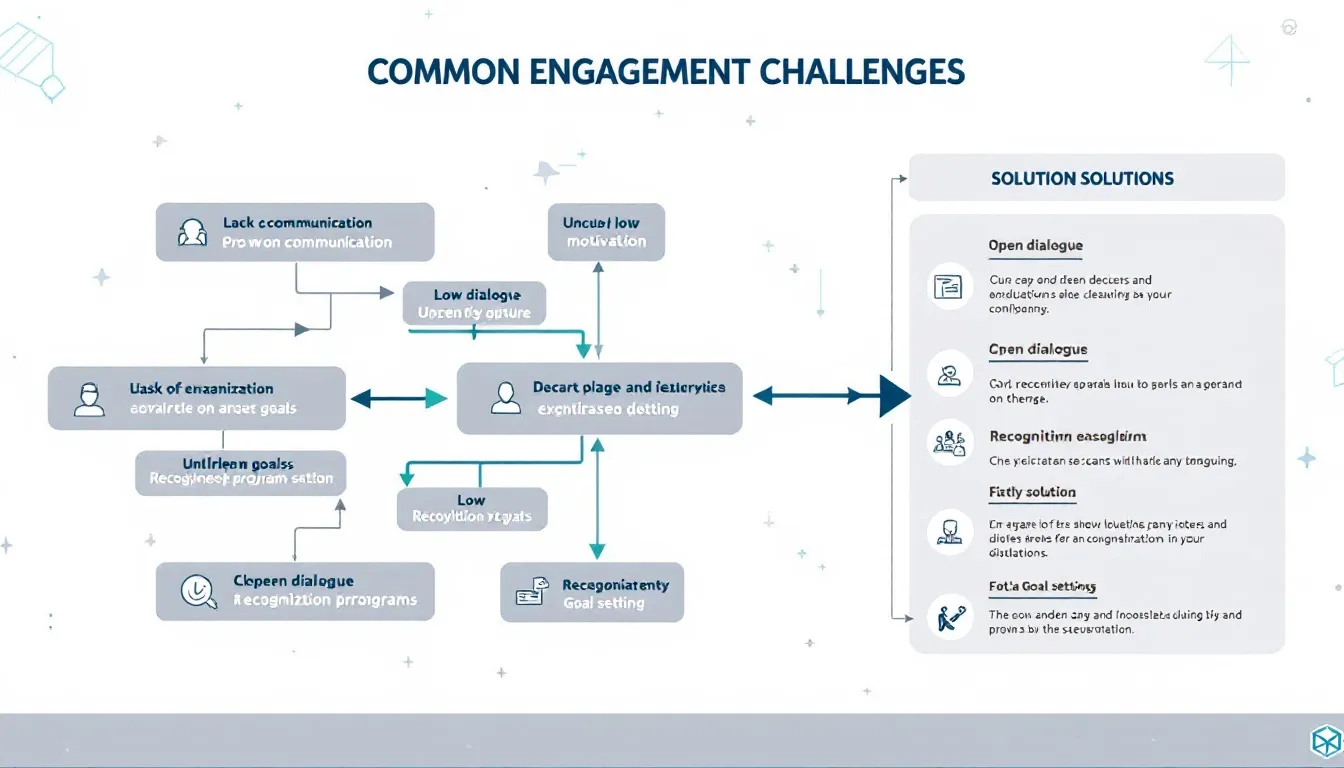
Despite the availability of sophisticated tools and proven strategies, many businesses struggle with customer engagement implementation. Understanding common challenges and their solutions helps organizations avoid pitfalls and accelerate success.
Data Silos and Integration Issues
One of the most significant obstacles to effective customer engagement is the presence of data silos that prevent organizations from developing unified customer views. Marketing automation platforms, customer service systems, e-commerce platforms, and CRM databases often operate independently, creating fragmented customer profiles that limit personalization capabilities.
Data integration challenges arise from technical incompatibilities, different data formats, and organizational structures that discourage cross-departmental collaboration. Sales teams might use different customer identification methods than marketing teams, making it difficult to track customer journeys across touchpoints.
The solution begins with establishing data governance frameworks that standardize customer identification, data formats, and integration protocols. Customer data platforms (CDPs) can serve as central repositories that consolidate information from multiple sources while maintaining data quality and accuracy.
API-first architecture enables real-time data sharing between systems, ensuring all teams have access to current customer information. This approach requires investment in integration technology but delivers significant returns through improved personalization and customer experience.
Organizational changes often prove as important as technical solutions. Cross-functional teams that include representatives from marketing, sales, customer service, and IT can identify integration opportunities and ensure solutions meet all stakeholder needs.
Over-Communication and Customer Fatigue
Many businesses struggle with finding the right balance between staying top-of-mind and overwhelming customers with excessive communications. Over-communication leads to increased unsubscribe rates, declining engagement metrics, and negative brand perception.
Customer fatigue often results from frequency-focused strategies that prioritize volume over relevance. Businesses might send daily promotional emails or constant social media updates without considering whether these messages provide value to recipients.
The solution involves implementing preference management systems that allow customers to control communication frequency and channel selection. These systems respect customer choices while providing valuable data about communication preferences across different segments.
Content relevance becomes crucial for avoiding fatigue. Messages that provide genuine value—educational content, exclusive offers, or personalized recommendations—are less likely to annoy customers than generic promotional communications.
Behavioral triggers can optimize communication timing by sending messages when customers are most likely to engage. Abandoned cart emails sent within hours of abandonment often perform better than weekly promotional emails sent on arbitrary schedules.
Testing and optimization help identify optimal communication frequencies for different customer segments. Some customers might appreciate daily updates, while others prefer weekly or monthly communications.
Personalization Without Authenticity
The pursuit of personalization sometimes leads to mechanical, algorithmic interactions that feel impersonal despite being technically customized. Customers can often detect when personalization efforts are driven purely by data rather than genuine understanding of their needs.
Superficial personalization that only incorporates basic information like names or purchase history often falls flat compared to deeper personalization that considers customer goals, challenges, and preferences. Simply inserting customer names into email subject lines doesn’t constitute meaningful personalization.
The solution requires balancing automated personalization with human insight and creativity. Data should inform personalization strategies, but human empathy and understanding should guide the actual implementation.
Context-aware personalization considers not just what customers have done, but why they might have done it and what they’re trying to achieve. This approach requires deeper customer research and persona development beyond basic demographic information.
Progressive personalization builds relationships gradually by learning from customer interactions over time. Rather than overwhelming customers with extensive data collection upfront, this approach gathers information naturally through ongoing engagement.
Poor Timing and Channel Misalignment
Even relevant messages can fail if delivered through the wrong channels or at inappropriate times. Customers have different preferences for how and when they want to receive different types of communications, and misalignment reduces engagement effectiveness.
Channel preference mismatches occur when businesses assume all customers want to engage through the same channels. Younger customers might prefer text messages and social media, while older customers might favor email or phone calls.
Timing issues arise from generic send schedules that don’t account for individual customer behaviors or time zones. Marketing emails sent at optimal times for the business might arrive when customers are sleeping or otherwise unavailable.
The solution involves collecting and analyzing customer preference data to understand optimal channels and timing for different types of communications. This data can come from explicit preference settings, behavioral analysis, or testing different approaches.
Intelligent sending algorithms can optimize delivery times based on individual customer engagement patterns. These systems learn when each customer is most likely to open emails or respond to messages and adjust delivery accordingly.
Multi-channel orchestration ensures customers receive consistent experiences regardless of which channels they choose for engagement. This approach requires coordination across teams and technology platforms but delivers superior customer experiences.
Inconsistent Brand Experience
Customers expect consistent experiences across all touchpoints, but many businesses struggle to maintain brand coherence across different channels, teams, and systems. Inconsistency confuses customers and undermines trust in the brand.
Brand inconsistency often results from decentralized content creation, different teams using different messaging guidelines, and lack of coordination between online and offline experiences. Social media teams might use different brand voices than email marketing teams, creating disjointed customer experiences.
The solution requires establishing comprehensive brand guidelines that cover not just visual elements but also messaging tone, communication style, and customer service approaches. These guidelines should be accessible to all team members and regularly updated to reflect brand evolution.
Content management systems can enforce brand consistency by providing approved templates, messaging libraries, and approval workflows. These systems help maintain standards while enabling teams to create relevant, timely content.
Regular brand audits help identify inconsistencies across different touchpoints and customer journey stages. These audits should include both internal review and customer feedback to ensure external perceptions align with intended brand positioning.
Cross-functional training ensures all customer-facing team members understand brand guidelines and can deliver consistent experiences regardless of their specific roles or departments.
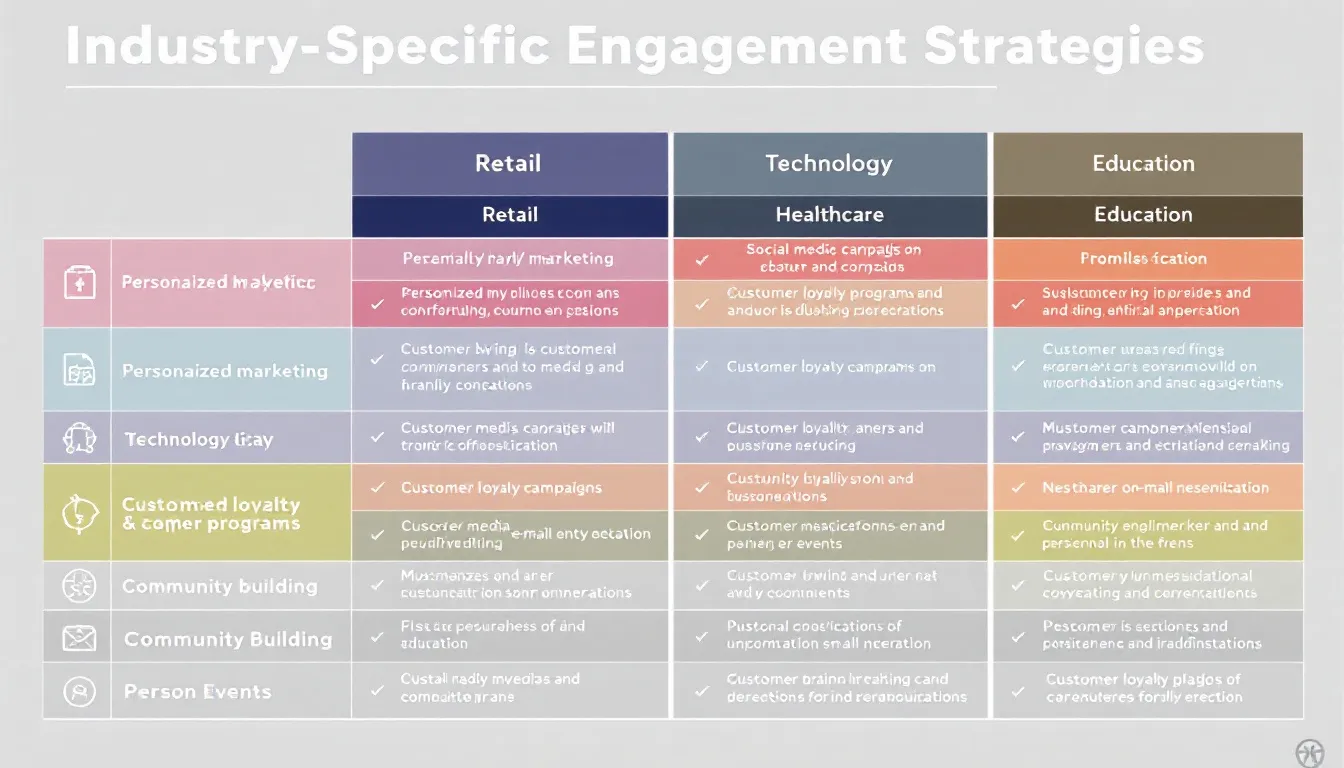
Industry-Specific Engagement Strategies
Different industries face unique customer engagement challenges and opportunities. Understanding these industry-specific considerations helps businesses develop more effective, targeted engagement strategies that address the particular needs and behaviors of their customer base.
E-commerce Engagement Excellence
E-commerce businesses operate in highly competitive environments where customer acquisition costs continue rising and customer loyalty becomes increasingly difficult to maintain. Successful e-commerce engagement focuses on personalized shopping experiences, cart abandonment recovery, and post-purchase relationship building.
Cart abandonment campaigns represent one of the most effective e-commerce engagement tactics, with well-designed sequences recovering 15-25% of abandoned carts. These campaigns should begin within hours of abandonment and include multiple touchpoints across email, SMS, and push notifications. Effective sequences often include product reminders, customer reviews, limited-time discounts, and alternative product suggestions.
Product recommendation engines drive significant revenue for e-commerce businesses by suggesting relevant items based on browsing history, purchase patterns, and similar customer behaviors. Amazon attributes approximately 35% of its revenue to its recommendation system, demonstrating the power of sophisticated personalization in e-commerce environments.
Post-purchase engagement for e-commerce extends far beyond order confirmations and shipping updates. Successful strategies include onboarding emails that help customers get maximum value from purchases, review requests timed appropriately after delivery, and cross-selling campaigns that suggest complementary products.
Loyalty programs in e-commerce must offer genuine value beyond simple points accumulation. The most successful programs provide exclusive access to new products, early-bird pricing, free shipping, and personalized customer service. Sephora’s Beauty Insider program exemplifies effective e-commerce loyalty by combining purchase rewards with educational content, exclusive events, and personalized product recommendations.
SaaS Customer Success Strategies
Software-as-a-Service businesses face unique engagement challenges related to onboarding complexity, feature adoption, and subscription renewal. Successful SaaS engagement strategies focus on driving product value realization and preventing churn through proactive customer success initiatives.
Onboarding sequences for SaaS products must balance comprehensive training with quick time-to-value. The most effective approaches use progressive disclosure to introduce features gradually while ensuring customers achieve early wins that demonstrate product value. Interactive tutorials, in-app messaging, and personalized setup assistance help customers overcome initial barriers to adoption.
Feature adoption campaigns identify customers who aren’t using key product capabilities and provide targeted education and support. These campaigns might include tutorial videos, one-on-one training sessions, or limited-time access to premium features that demonstrate additional value.
Usage-based engagement triggers respond to customer behavior patterns to provide timely assistance or encouragement. Customers who haven’t logged in for specific periods might receive re-engagement emails, while power users might receive advanced tips or early access to new features.
Renewal strategies for SaaS businesses begin long before subscription expiration dates. Successful approaches include regular business reviews that demonstrate ROI, expansion conversations that identify additional use cases, and loyalty programs that reward long-term customers with enhanced features or preferential pricing.
Customer health scoring combines usage data, support interactions, and engagement metrics to identify at-risk customers before they churn. Proactive outreach to low-health-score customers can often prevent cancellations through additional training, feature recommendations, or service adjustments.
Financial Services Trust Building
Financial services companies must navigate strict regulatory requirements while building trust and demonstrating value in highly commoditized markets. Successful engagement strategies focus on education, security communication, and life event marketing that provides relevant services at key moments.
Educational content marketing helps financial services companies build trust while positioning themselves as financial advisors rather than just service providers. Topics might include retirement planning, investment strategies, tax optimization, and financial literacy that provide genuine value to customers regardless of immediate sales opportunities.
Security communications are particularly important in financial services, where customers need constant reassurance about data protection and fraud prevention. Regular updates about security measures, alerts about potential threats, and clear explanations of protective policies help build confidence in digital financial services.
Life event marketing identifies key moments when customers need financial services—home purchases, marriage, children, career changes, and retirement. Predictive analytics can identify customers likely to experience these events based on age, income changes, and other behavioral indicators.
Regulatory compliance requirements in financial services create opportunities for valuable customer communication. Required statements and disclosures can be presented in engaging formats that educate customers while meeting legal obligations.
Personalized financial insights leverage account data to provide relevant recommendations and observations about customer financial health. These insights might include spending pattern analysis, savings goal progress, or investment performance summaries that demonstrate ongoing value.
Healthcare Patient Engagement
Healthcare organizations face unique engagement challenges related to privacy regulations, sensitive topics, and episodic patient relationships. Successful healthcare engagement focuses on education, appointment management, and wellness promotion that improves patient outcomes while building loyalty.
Appointment reminder systems reduce no-shows while providing opportunities for additional engagement. Effective reminders include preparation instructions, parking information, and relevant health tips that add value beyond simple scheduling notifications.
Wellness programs engage patients between visits through educational content, health tracking tools, and community support systems. These programs help patients manage chronic conditions, prevent health problems, and maintain engagement with healthcare providers.
Patient education campaigns address common health concerns and promote preventive care. Topics might include seasonal health tips, medication management, and lifestyle recommendations that position healthcare providers as partners in patient wellness rather than just treatment providers.
Telehealth engagement strategies help patients feel comfortable with remote care options while maintaining personal connections with healthcare providers. Pre-visit setup assistance, technology tutorials, and follow-up communications ensure positive telehealth experiences.
Privacy compliance in healthcare requires careful attention to HIPAA regulations and patient consent management. Engagement strategies must balance personalization with privacy protection while maintaining patient trust in data handling practices.
Retail Omnichannel Excellence
Retail businesses must create seamless experiences across online and offline channels while managing inventory, promotions, and customer service consistently. Successful retail engagement strategies focus on unified customer views, location-based marketing, and inventory-driven personalization.
Seasonal campaign management helps retail businesses capitalize on peak shopping periods while maintaining year-round customer relationships. Effective seasonal strategies begin planning months in advance and include pre-season preparation, peak-period optimization, and post-season follow-up.
Inventory notifications keep customers informed about product availability while driving sales of in-stock items. These communications might include back-in-stock alerts, low-inventory urgency messages, and alternative product suggestions when preferred items are unavailable.
In-store experience enhancement uses mobile technology to bridge online and offline experiences. Apps might provide store maps, product information, reviews, and mobile checkout options that improve in-store shopping while gathering valuable customer data.
Clienteling programs train retail staff to provide personalized service based on customer history and preferences. These programs combine technology platforms with training to help sales associates build relationships and provide relevant recommendations.
Local event marketing leverages store locations to create community connections and drive foot traffic. Events might include product launches, educational workshops, or community partnerships that position retail locations as neighborhood destinations.
Future Trends in Customer Engagement
The customer engagement landscape continues evolving rapidly as new technologies emerge and customer expectations shift. Understanding these trends helps businesses prepare for future opportunities while making smart investments in current capabilities.
Artificial Intelligence and Machine Learning Advancement
AI technology is moving beyond basic personalization to enable sophisticated predictive engagement that anticipates customer needs before they’re explicitly expressed. Advanced machine learning algorithms analyze patterns in customer behavior, external data sources, and market conditions to predict optimal engagement strategies for individual customers.
Conversational AI is becoming increasingly sophisticated, enabling natural language interactions that feel genuinely helpful rather than obviously automated. Future chatbots will understand context, emotion, and intent more accurately while maintaining conversation continuity across multiple interactions and channels.
Computer vision technology will enable new forms of visual engagement, allowing customers to search for products using photos, try on clothing virtually, and receive style recommendations based on their appearance and preferences. This technology will bridge online and offline shopping experiences in unprecedented ways.
Predictive customer service uses AI to identify potential problems before customers experience them. These systems analyze product usage data, support histories, and external factors to proactively address issues and provide preventive solutions.
Real-time decision engines will optimize every customer interaction instantaneously, adjusting messaging, offers, and experiences based on immediate context and predictive models. This capability will enable hyper-personalization at scale while maintaining authentic, relevant customer relationships.
Voice Technology and Smart Speaker Integration
Voice interfaces are expanding beyond simple smart speakers to include cars, appliances, and mobile devices. Businesses will need to develop voice engagement strategies that enable customers to interact with brands through natural speech across multiple environments.
Voice commerce will enable customers to make purchases, reorder products, and access customer service through voice commands. This technology requires new approaches to product presentation, order confirmation, and customer authentication that work effectively in audio-only environments.
Ambient computing will embed voice capabilities into everyday environments, enabling continuous but non-intrusive brand interactions. Customers might receive personalized recommendations while cooking, get traffic updates that include relevant business information, or access customer service while driving.
Voice analytics will provide new insights into customer emotions, intentions, and preferences based on speech patterns, tone, and word choice. This data will inform engagement strategies while respecting privacy boundaries and customer consent.
Augmented and Virtual Reality Experiences
AR technology will transform product visualization and customer education by enabling virtual try-ons, home design previews, and interactive demonstrations. Customers will be able to see how products look in their actual environments before making purchase decisions.
Virtual showrooms will provide immersive brand experiences that showcase products and services in compelling, interactive formats. These experiences will be particularly valuable for complex products that benefit from detailed explanation and demonstration.
Training and education through VR will help customers get maximum value from complex products while building stronger brand relationships. This approach is particularly relevant for technology products, professional services, and specialty equipment that require significant learning curves.
Social VR experiences will enable brands to create virtual communities where customers can interact with each other and brand representatives in immersive environments. These spaces will support product launches, customer events, and ongoing community building.
Blockchain and Data Transparency
Blockchain technology will enable new levels of data transparency and customer control over personal information. Customers will have detailed visibility into how their data is collected, used, and shared while maintaining the ability to revoke permissions instantly.
Decentralized identity management will give customers complete control over their personal information while enabling seamless, secure interactions across multiple brands and platforms. This technology will reduce friction while increasing customer trust and confidence.
Smart contracts will automate loyalty programs, referral rewards, and other engagement initiatives while ensuring transparent, immutable record-keeping. These systems will reduce administrative overhead while providing customers with real-time visibility into their program status and rewards.
Token-based engagement will create new reward mechanisms that provide genuine value while encouraging specific customer behaviors. These systems might reward customers for providing feedback, participating in communities, or sharing referrals with tradeable tokens that have real economic value.
Internet of Things Integration
Connected devices will provide continuous streams of customer usage data that inform engagement strategies and enable predictive service. Smart appliances, vehicles, and wearable devices will generate insights that help businesses anticipate customer needs and provide proactive support.
Contextual engagement based on IoT data will enable highly relevant, timely communications that respond to actual customer situations. Refrigerators might suggest grocery orders, cars might recommend maintenance services, and fitness devices might promote relevant health products.
Predictive maintenance for connected products will enable businesses to address problems before customers experience disruptions. This capability will differentiate brands through superior service while reducing support costs and improving customer satisfaction.
Ecosystem integration will connect multiple devices and services to create seamless customer experiences that span different brands and platforms. This integration will require new partnership models and data sharing agreements that benefit all participants.
Emerging Technologies and Applications
Edge computing will enable real-time personalization at unprecedented scale by processing customer data closer to interaction points. This technology will reduce latency while improving privacy by keeping sensitive data local rather than transmitting it to centralized systems.
5G networks will support rich media experiences and instant communications that enhance mobile engagement. Higher bandwidth and lower latency will enable new types of interactive content and real-time collaboration between customers and brands.
Quantum computing will eventually enable complex customer behavior modeling that considers vast numbers of variables simultaneously. This capability will improve prediction accuracy while enabling optimization of engagement strategies across entire customer populations.
Augmented analytics will automatically identify patterns and insights in customer data while suggesting specific engagement strategies. These systems will democratize advanced analytics by enabling non-technical team members to discover and act on customer insights.

Best Practices for Customer Engagement Excellence
Implementing successful customer engagement strategies requires following proven best practices while avoiding common pitfalls. These guidelines help businesses maximize their engagement investments while building sustainable competitive advantages.
Start with Customer Research and Journey Mapping
The foundation of effective customer engagement lies in deep understanding of customer needs, preferences, and behaviors. This understanding comes from comprehensive research that combines quantitative data analysis with qualitative customer insights.
Customer interviews provide invaluable qualitative insights that reveal motivations, frustrations, and goals that pure data analysis might miss. These conversations help businesses understand the “why” behind customer behaviors and identify opportunities for meaningful engagement.
Journey mapping should extend beyond simple touchpoint identification to include emotional states, pain points, and decision-making factors at each stage. Effective maps reveal moments of truth where engagement can significantly impact customer perception and future behavior.
Persona development must be based on actual customer data rather than assumptions or stereotypes. Regularly updated personas ensure engagement strategies remain relevant as customer behaviors and preferences evolve.
Competitive analysis helps identify engagement gaps and opportunities by examining how other brands interact with similar customers. This research can reveal best practices worth emulating and differentiation opportunities worth pursuing.
Focus on Value Creation Over Promotion
The most successful engagement strategies prioritize customer value over promotional messaging. Customers engage more readily with brands that consistently provide helpful information, solutions, and experiences rather than constant sales pitches.
Educational content that helps customers solve problems or achieve goals builds trust and positions brands as valuable resources. This content should address real customer challenges and provide actionable insights that demonstrate expertise.
Entertainment value can create positive brand associations while providing memorable experiences that customers willingly share with others. Engaging content doesn’t always need to be directly product-related to build brand affinity.
Utility-focused engagement provides practical value that improves customer experiences or simplifies their lives. Mobile apps that solve real problems, tools that save time, and services that reduce effort all create value that encourages continued engagement.
Exclusive access to products, information, or experiences makes customers feel valued while creating incentives for continued engagement. These exclusives should provide genuine value rather than simply creating artificial scarcity.
Implement Gradual Testing and Optimization
Successful engagement strategies evolve through continuous testing and optimization rather than major overhauls. Gradual improvements reduce risk while providing valuable learning opportunities that inform future initiatives.
A/B testing should be systematic and statistically significant rather than random experimentation. Proper testing requires clear hypotheses, adequate sample sizes, and appropriate measurement periods that account for natural variation in customer behavior.
Multivariate testing can optimize multiple variables simultaneously but requires larger sample sizes and more sophisticated analysis. This approach is most valuable for high-traffic situations where multiple elements might interact to influence outcomes.
Progressive rollouts allow businesses to test new engagement strategies with small customer segments before full implementation. This approach reduces risk while providing opportunities to refine strategies based on real customer feedback.
Feedback loops should capture both quantitative metrics and qualitative customer responses to provide complete pictures of engagement effectiveness. Customer surveys, support interactions, and social media monitoring all provide valuable optimization insights.
Ensure Cross-Functional Collaboration
Customer engagement succeeds when all departments work together to create cohesive customer experiences. Silos between marketing, sales, customer service, and product teams often create disconnected experiences that confuse customers and reduce engagement effectiveness.
Regular cross-functional meetings should focus on customer experience rather than departmental objectives. These meetings help identify collaboration opportunities and ensure all teams understand their roles in customer engagement.
Shared metrics and goals align different departments around common customer-focused objectives. When marketing, sales, and service teams share responsibility for customer satisfaction and retention, they’re more likely to collaborate effectively.
Communication protocols should ensure customer information flows seamlessly between departments. Sales insights should inform marketing campaigns, service interactions should influence product development, and marketing data should support sales efforts.
Technology integration enables cross-functional collaboration by providing unified customer views and shared workflow capabilities. When all teams can access the same customer information, they can provide more consistent and effective engagement.
Maintain Consistent Brand Voice and Messaging
Brand consistency across all engagement touchpoints creates trust and recognition while reinforcing brand positioning. Inconsistent messaging confuses customers and undermines brand equity.
Brand guidelines should cover not just visual elements but also communication tone, message priorities, and customer service approaches. These guidelines should be comprehensive enough to ensure consistency while flexible enough to allow channel-appropriate adaptation.
Content approval processes help maintain brand standards while enabling timely responses to customer needs and market opportunities. These processes should balance quality control with operational efficiency.
Training programs should ensure all customer-facing team members understand brand guidelines and can apply them effectively in various situations. Regular refresher training helps maintain standards as teams grow and change.
Quality assurance reviews should regularly assess brand consistency across all customer touchpoints. These reviews help identify gaps and opportunities for improvement while ensuring standards are maintained over time.
Scale Through Technology and Automation
Effective customer engagement requires balancing personal attention with operational efficiency. Technology and automation enable businesses to provide personalized experiences at scale while maintaining authentic customer relationships.
Marketing automation should feel personal and relevant rather than obviously automated. Well-designed automated campaigns respond to customer behaviors and preferences while providing genuine value.
Customer service automation should enhance rather than replace human interactions. Chatbots and self-service options should handle routine inquiries while seamlessly escalating complex issues to human agents.
Personalization engines should continuously learn from customer interactions to improve relevance and effectiveness over time. These systems should respect customer privacy while providing increasingly accurate and helpful experiences.
Analytics automation should identify trends and opportunities without overwhelming teams with too much data. Automated insights and recommendations help teams focus on the most important engagement opportunities.
Measure and Optimize Continuously
Successful customer engagement requires ongoing measurement and optimization based on actual results rather than assumptions. Regular analysis helps identify what’s working, what isn’t, and where improvements are needed.
KPI dashboards should provide real-time visibility into engagement performance while highlighting trends and anomalies that require attention. These dashboards should be accessible to all relevant team members and updated regularly.
Customer feedback collection should be systematic and ongoing rather than episodic. Regular surveys, feedback forms, and listening programs provide continuous insights into customer satisfaction and engagement effectiveness.
Competitive benchmarking helps identify performance gaps and improvement opportunities by comparing engagement metrics with industry standards and competitor performance.
ROI analysis should consider both short-term and long-term impacts of engagement initiatives. Some engagement activities might not drive immediate sales but could significantly impact customer lifetime value and retention rates.
FAQ
What’s the difference between customer engagement and customer experience?
Customer engagement refers to the ongoing interactions and emotional connections between a brand and customer, while customer experience encompasses the entire perception a customer has of their journey with a company. Engagement is more about the depth and frequency of interactions, whereas experience covers all touchpoints and impressions, including passive ones. Think of engagement as the active participation in the relationship, while experience is the overall feeling about that relationship.
How long does it typically take to see results from customer engagement initiatives?
Most businesses see initial improvements in engagement metrics within 30-60 days, but significant revenue impact and customer lifetime value increases typically require 6-12 months of consistent implementation. The timeline depends on factors like industry type, customer lifecycle length, and the complexity of engagement strategies. B2B companies with longer sales cycles might see slower initial progress but greater long-term impact, while e-commerce businesses often see quicker results in metrics like repeat purchase rates.
What budget should companies allocate for customer engagement technology and programs?
Industry benchmarks suggest allocating 6-12% of annual revenue to customer engagement initiatives, with technology platforms typically representing 30-40% of this budget. However, the exact allocation depends on industry, company size, and growth stage. Startups might invest higher percentages to establish market presence, while mature companies might focus more on optimization and efficiency. The key is ensuring ROI through measured improvements in customer lifetime value and retention rates.
How can small businesses compete with enterprise-level engagement capabilities?
Small businesses can leverage affordable cloud-based platforms, focus on personalized communication, and use their agility advantage to respond quickly to customer needs and feedback. Many modern engagement platforms offer scalable pricing that makes sophisticated capabilities accessible to smaller organizations. Small businesses often have advantages in personal relationship building and rapid decision-making that can offset resource limitations. The key is focusing on high-impact activities rather than trying to match enterprise scale.
What are the biggest privacy concerns with customer engagement data collection?
Key concerns include obtaining proper consent for data collection, ensuring secure data storage and transmission, providing transparency about data usage, and giving customers control over their personal information. Modern privacy regulations like GDPR and CCPA require businesses to justify data collection with legitimate business purposes and allow customers to access, correct, or delete their information. The challenge is balancing personalization benefits with privacy protection while maintaining customer trust and regulatory compliance.